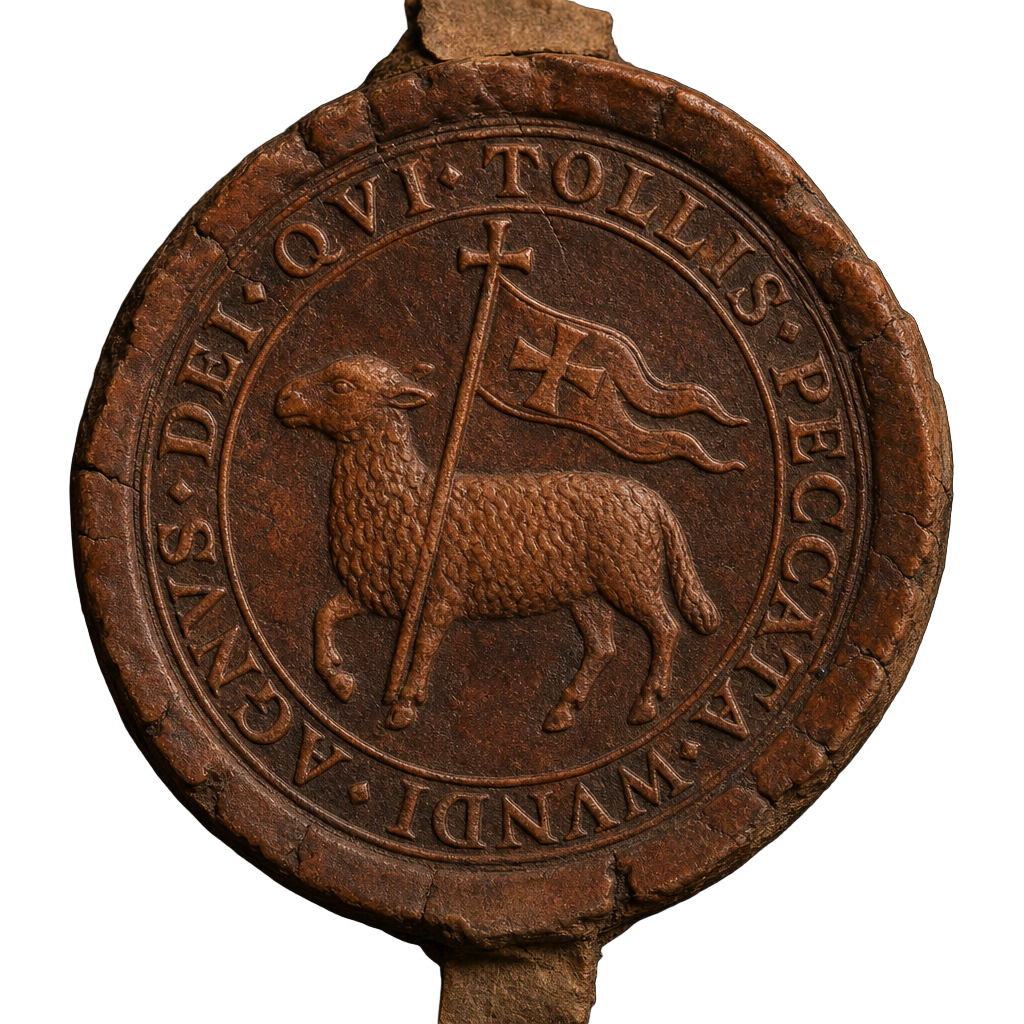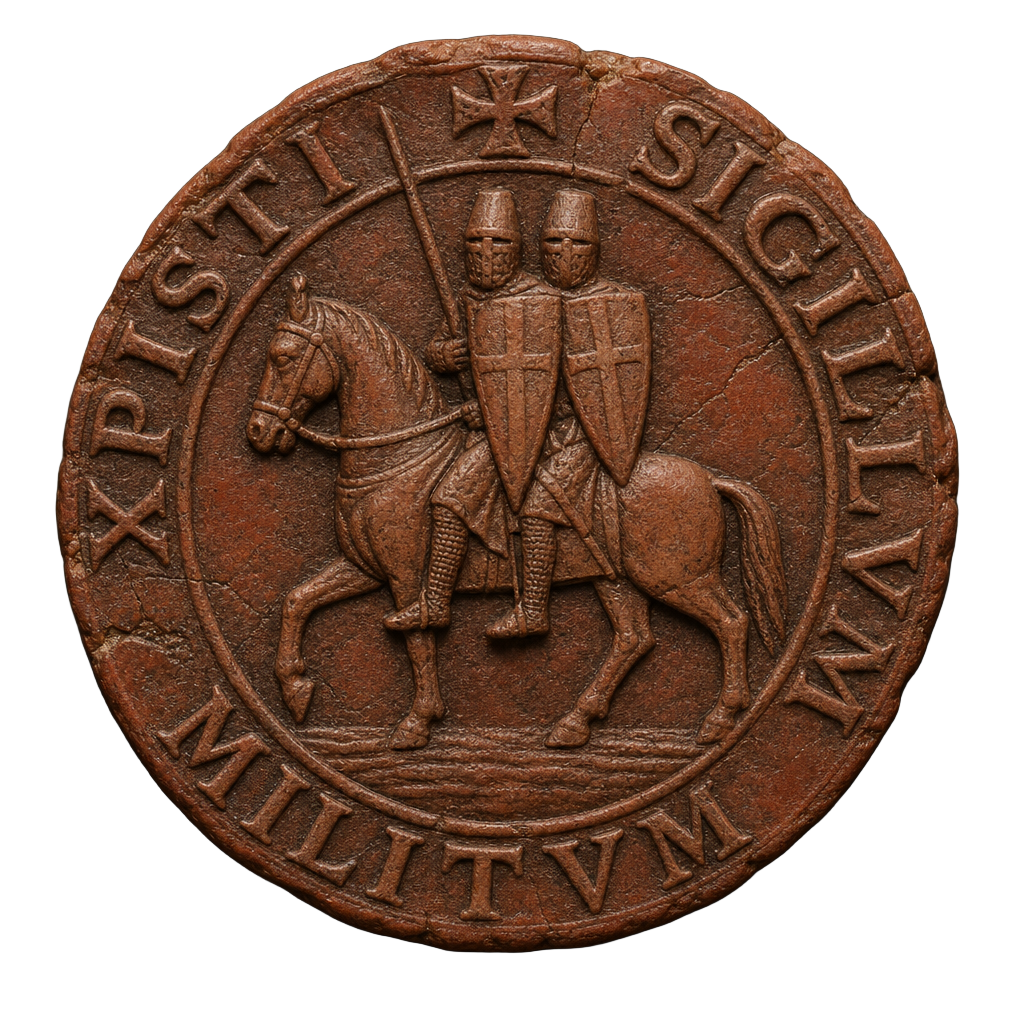
Illustrations
The plate section
Every image used across this project, gathered in one numbered sequence — the churches and commanderies themselves, reconstruction drawings of Templar dress and equipment, and the Order's seals. This is the plate section of the forthcoming book, and it is also the fastest way to see the whole subject at a glance. Each plate links to the page where the evidence behind it is set out.
Photographs are of the surviving fabric as it stands today. Figures in medieval dress are reconstructions, not portraits: no image of an individual Welsh Templar survives, and every reconstruction here follows the consensus of Barber, Nicholson and Nicolle. See Sources for the full apparatus.
I. Sites and surviving fabric
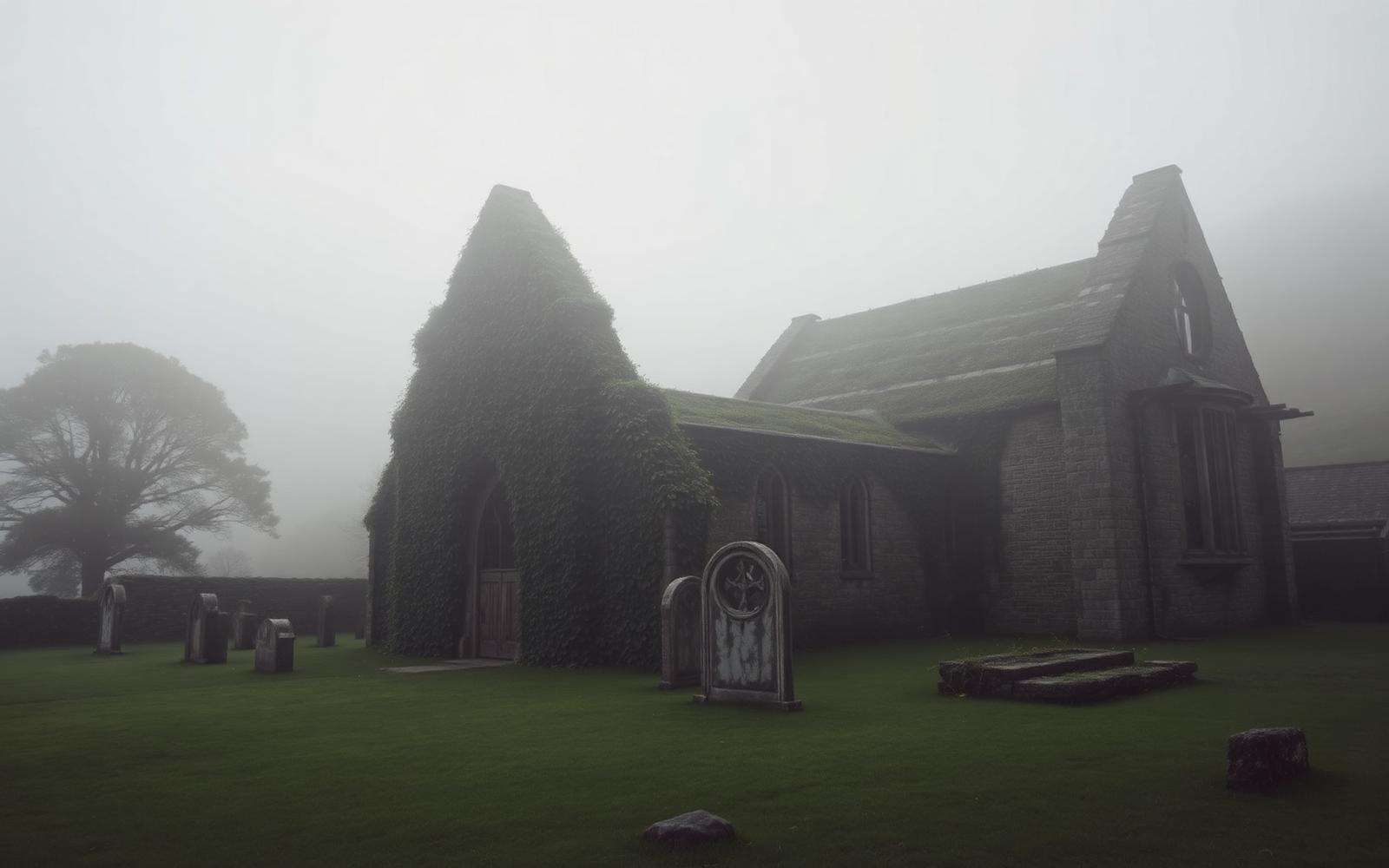
Pembrokeshire · Templar, later Hospitaller. The mother house of the Templars in Wales — a preceptory on the tidal Cleddau, granted by the Anglo-Norman lord Wizo before 1150 and continued as a Hospitaller commandery after 1312.
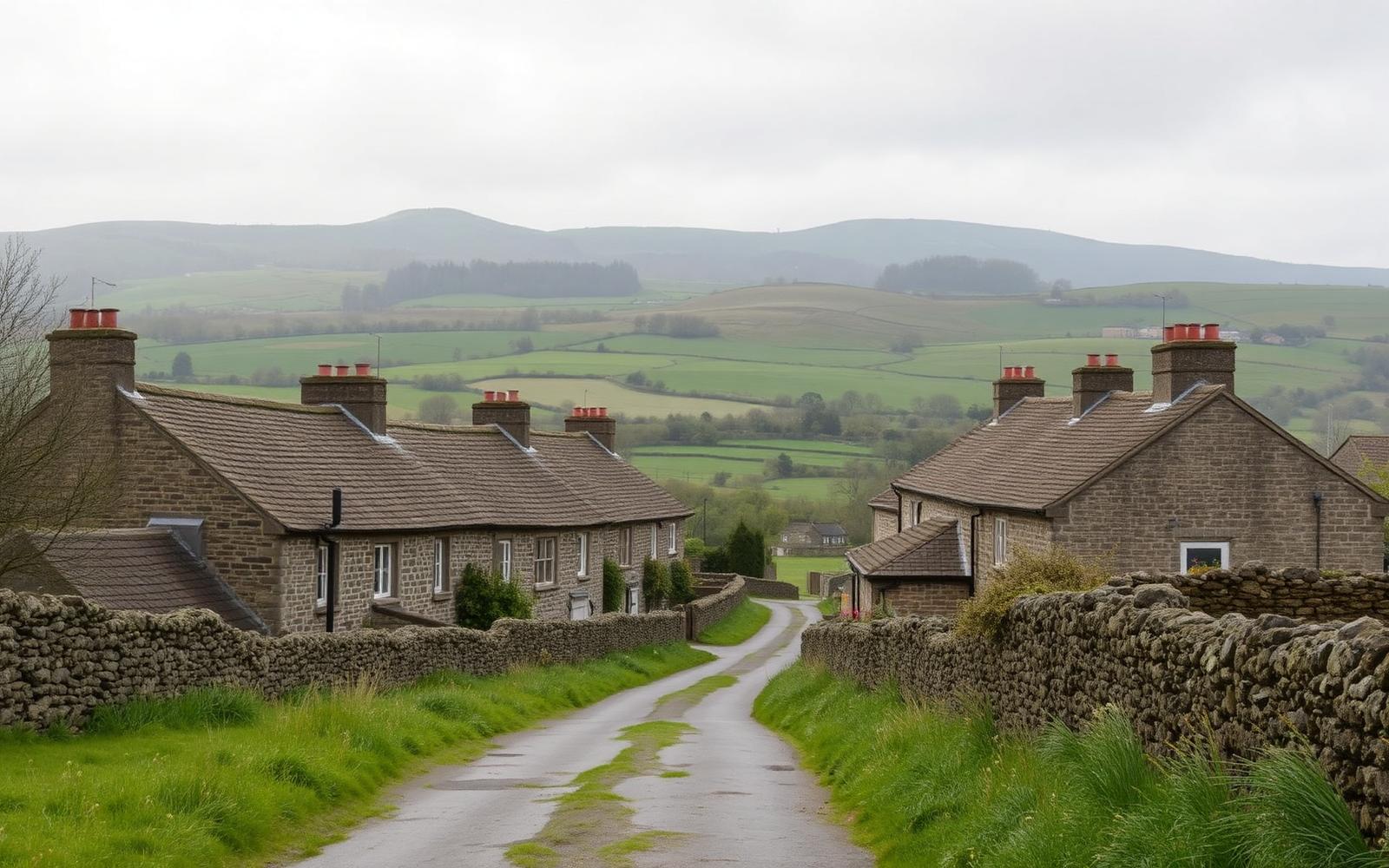
Pembrokeshire · Templar, later Hospitaller. A whole village whose name — Villa Templi in the medieval rolls — records that the Templars once held it as a farming grange of Slebech.
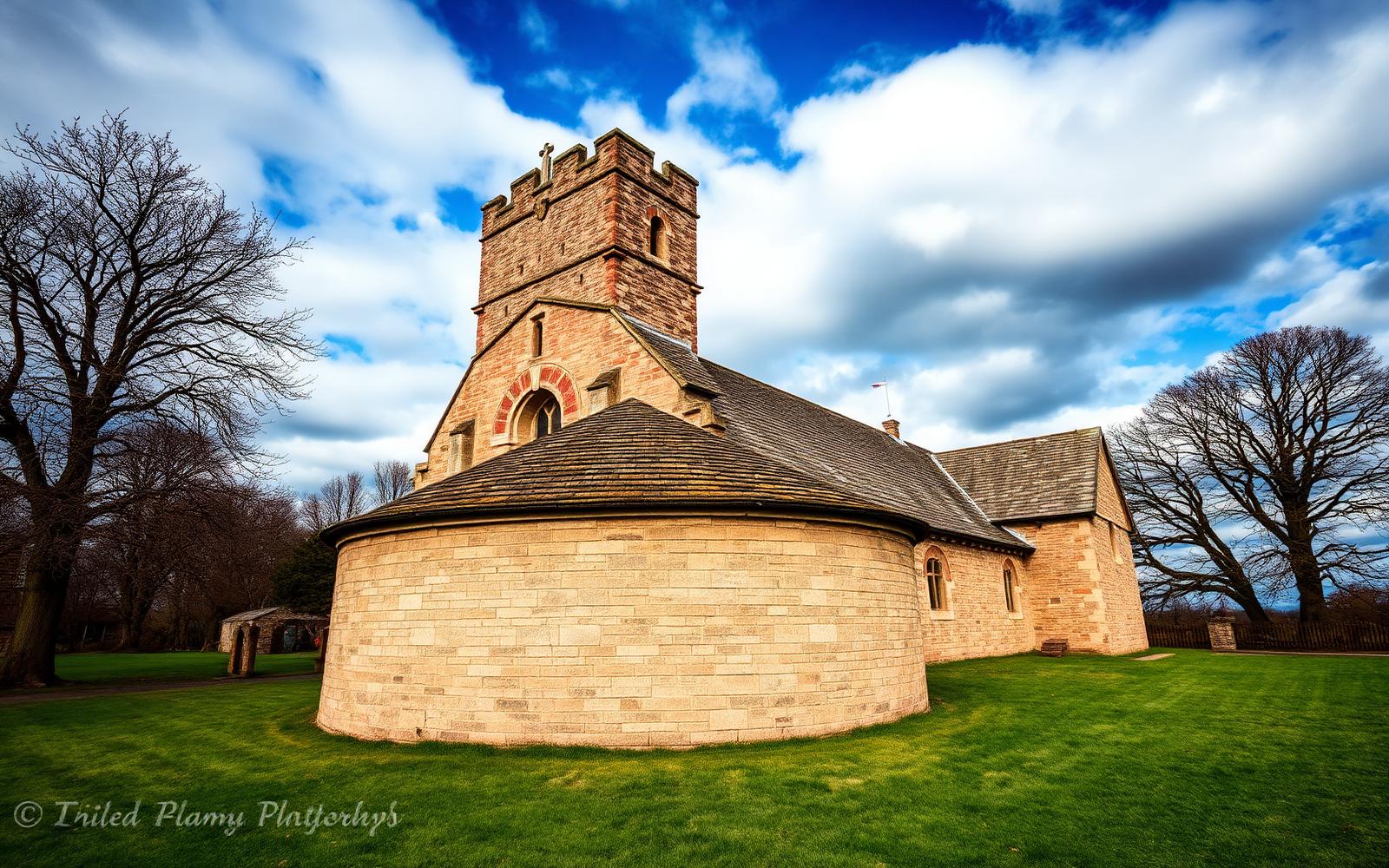
Welsh Marches · Templar, later Hospitaller. Just over the border in Herefordshire, Garway is the most complete Templar church in Britain — and served the order's estates on both sides of the Welsh frontier.
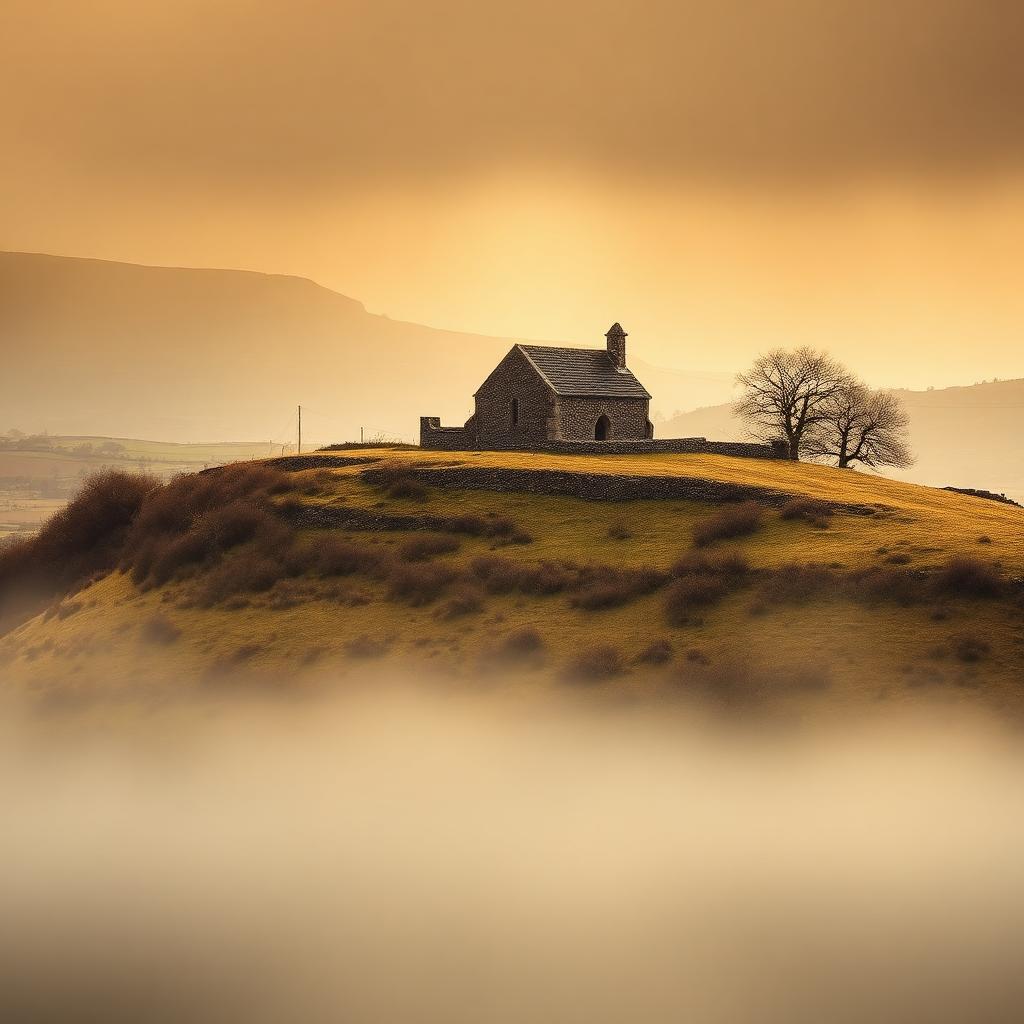
Pembrokeshire · Templar, later Hospitaller. A small parish on the west bank of the Cleddau, held as one of Slebech's dependent granges and listed under the commandery in the 1338 Hospitaller survey.
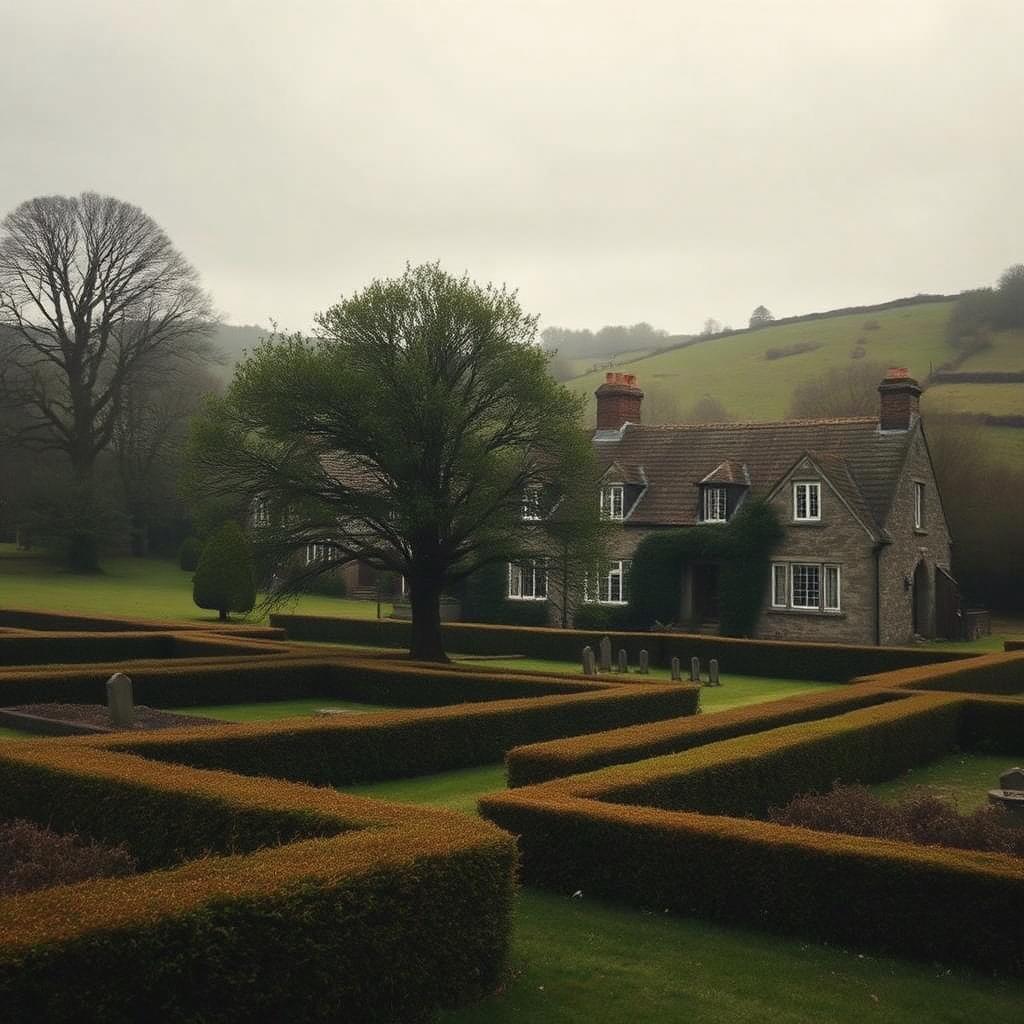
Pembrokeshire · Templar, later Hospitaller. A planned Norman-era village on the Milford Haven peninsula, held as a grange of Slebech commandery and named in the 1338 Hospitaller survey.
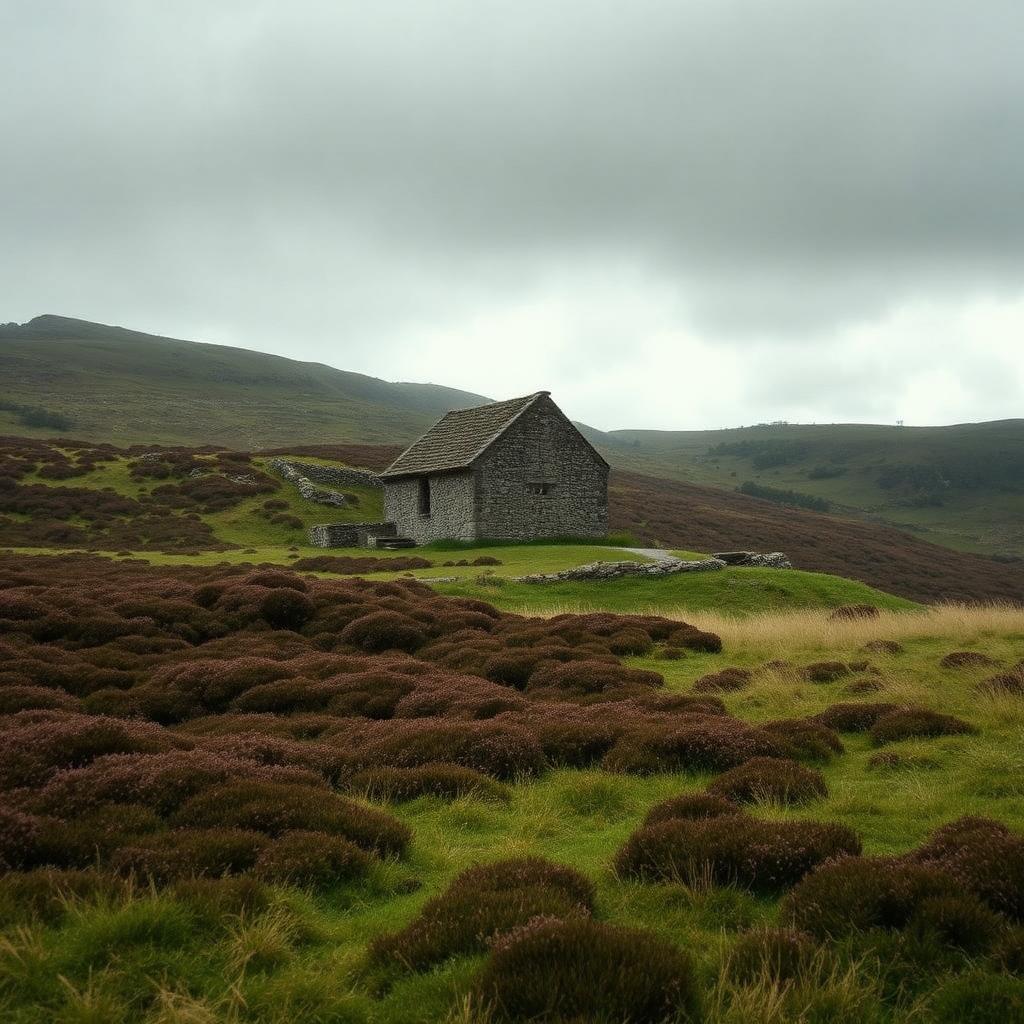
North Pembrokeshire · Templar, later Hospitaller. An upland dependency of Slebech at the foot of the Preseli hills, held for its grazing and a small chapel and named among the commandery's members in later Hospitaller surveys.
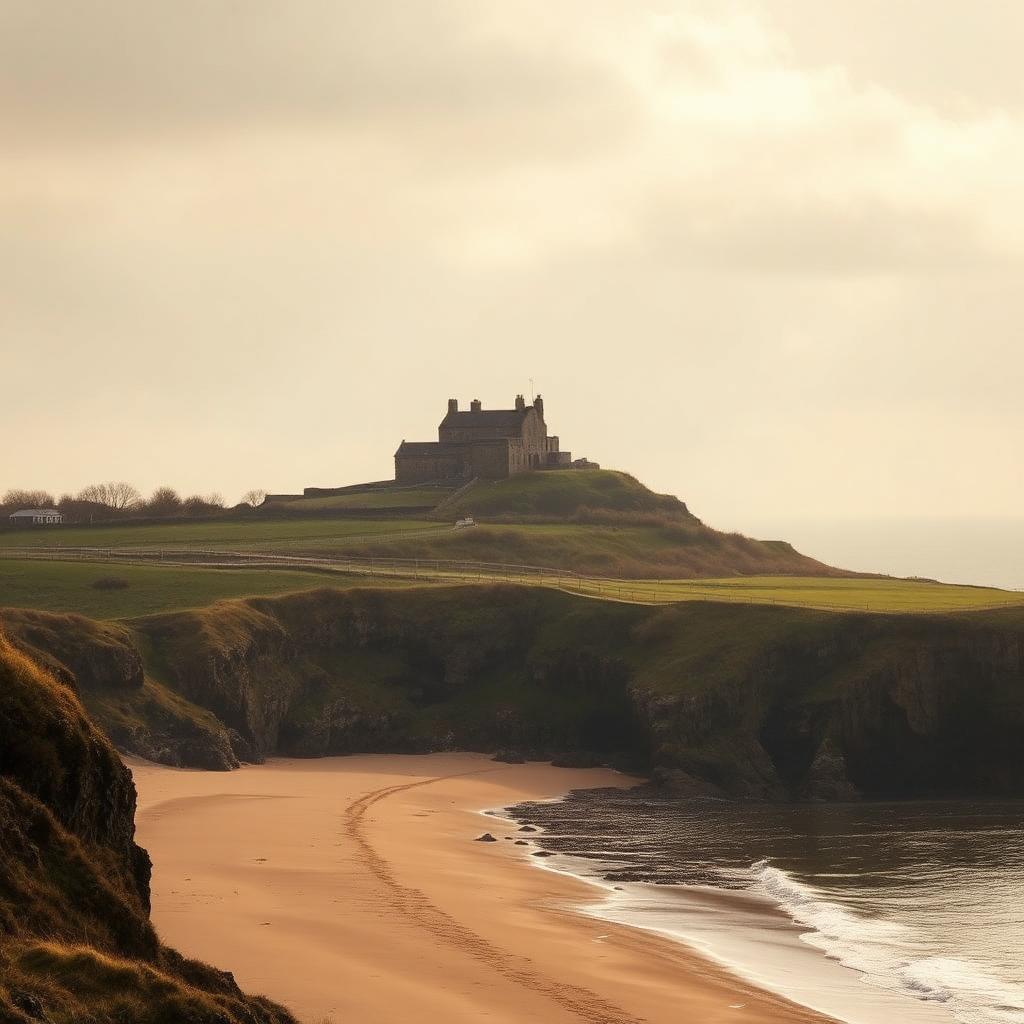
Pembrokeshire coast · Templar, later Hospitaller. A coastal manor on Carmarthen Bay held under Slebech commandery, giving the house a foothold on the sea for its wool and hide trade.
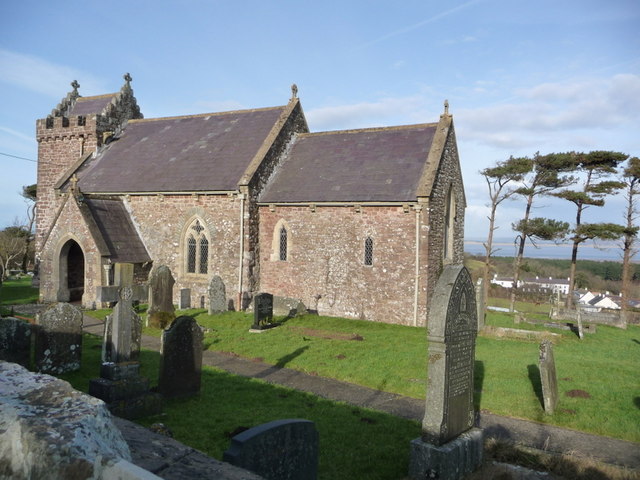
Gower · Templar, later Hospitaller. The Gower's Templar church — a small medieval church at the tip of the peninsula, held as a Templar manor and continued by the Hospitallers after 1312 as a dependency of Slebech.
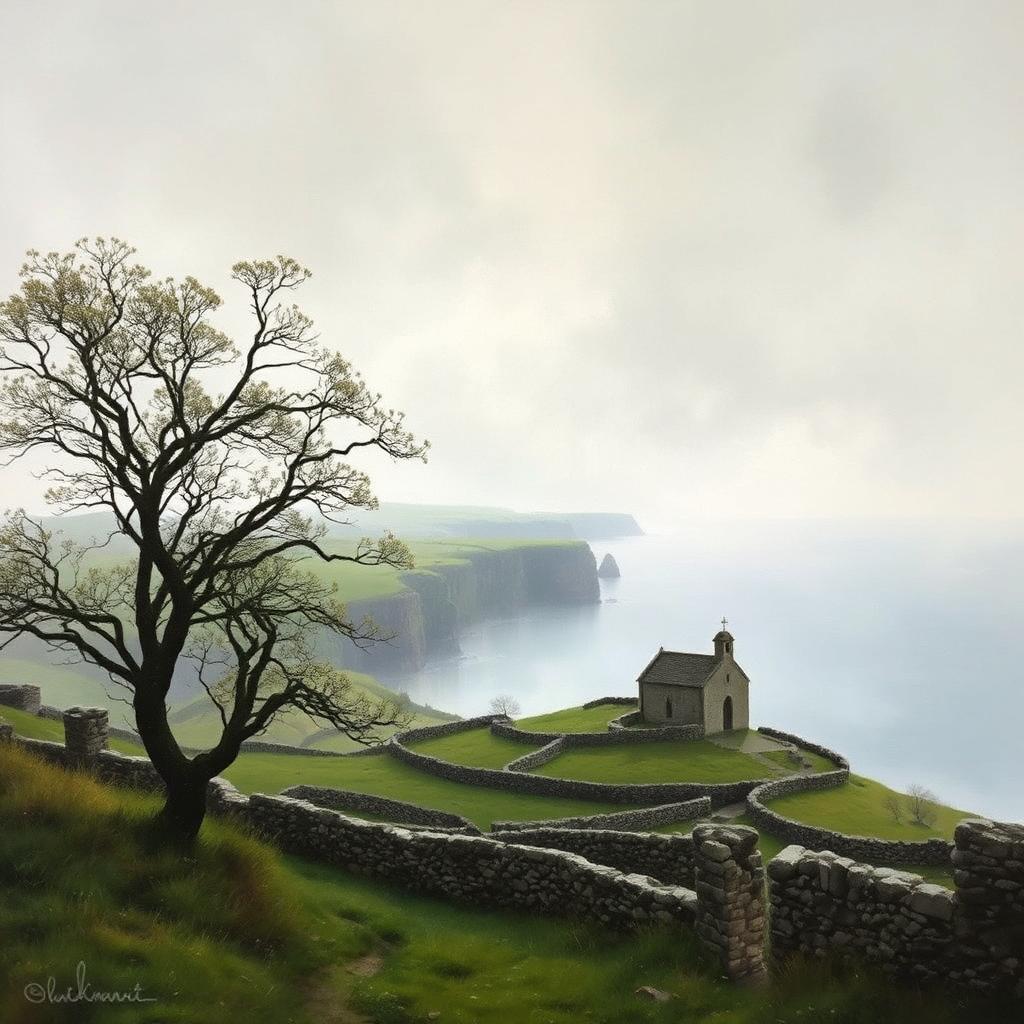
Gower · Hospitaller. A south-Gower parish run as a Hospitaller manor with Llanmadoc — the two together made up the Knights of St John's Gower estate, dependent on Slebech.
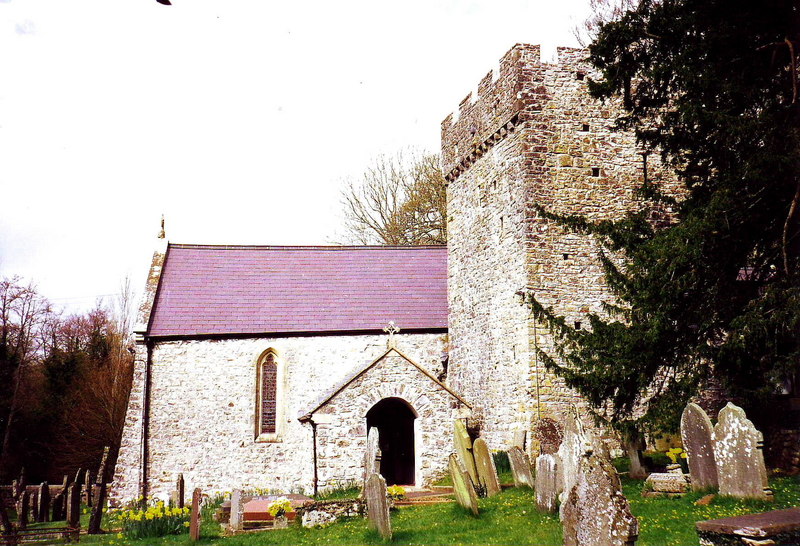
Gower · Hospitaller. A quiet 13th-century church in a wooded Gower valley, granted to the Knights Hospitaller of Slebech in 1221 and served from the commandery through the Middle Ages.
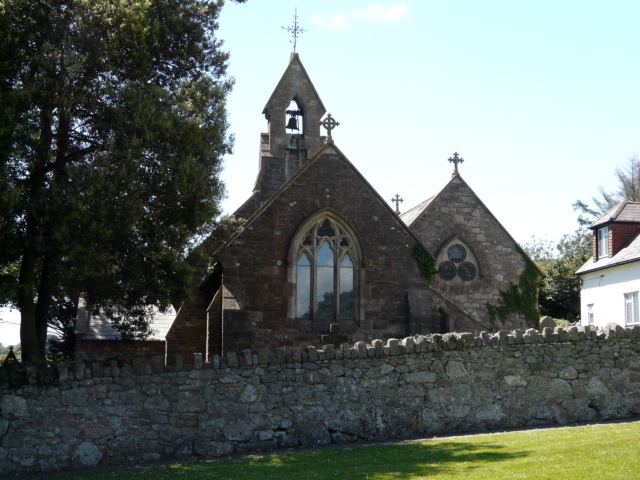
Gower · Hospitaller. A Gothic parish church on the south Gower road, dedicated to St John the Baptist — the patron saint of the Hospitallers, who held the earlier sand-buried church on the Burrows below.
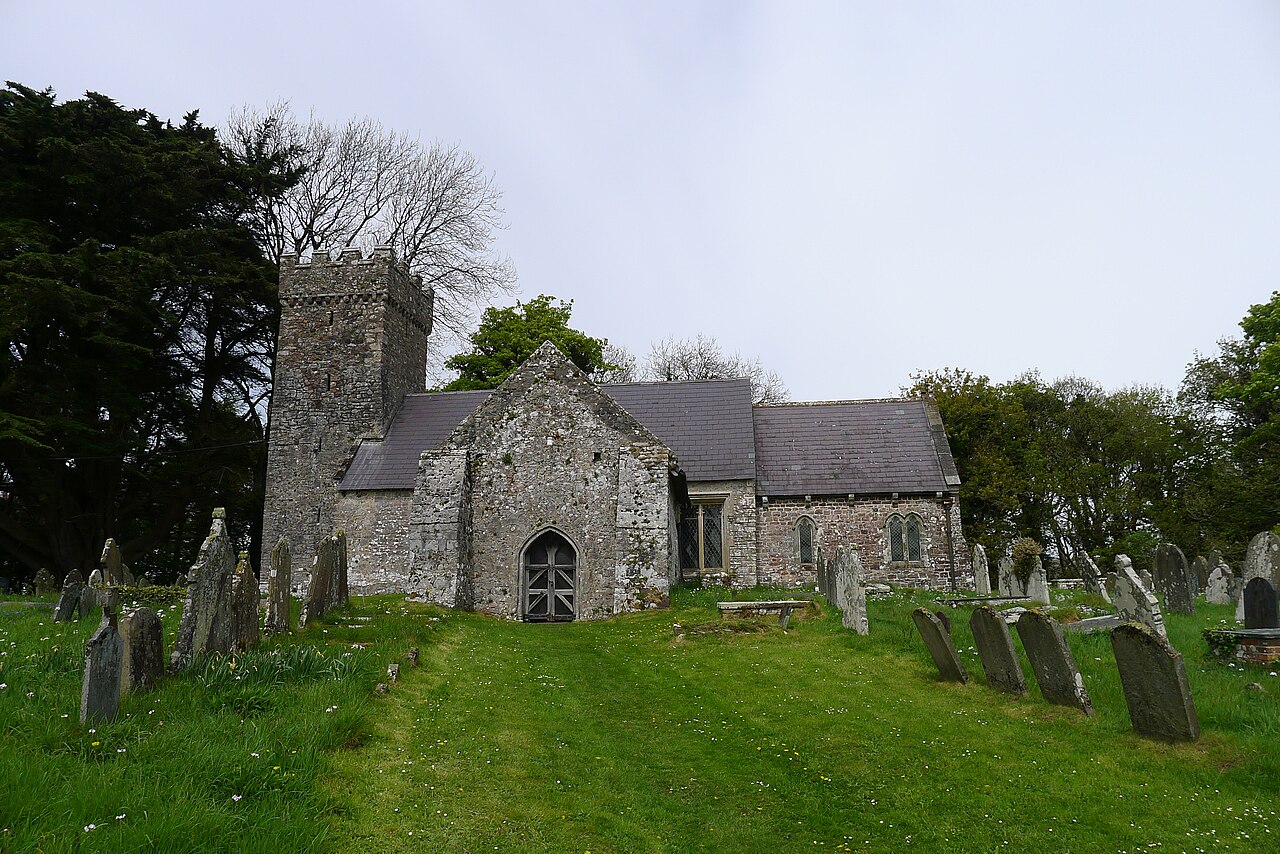
Gower · Hospitaller. A 12th-century Norman church in the Penrice estate, given by the de Penrice family to the Knights Hospitaller of Slebech in the later 12th century.
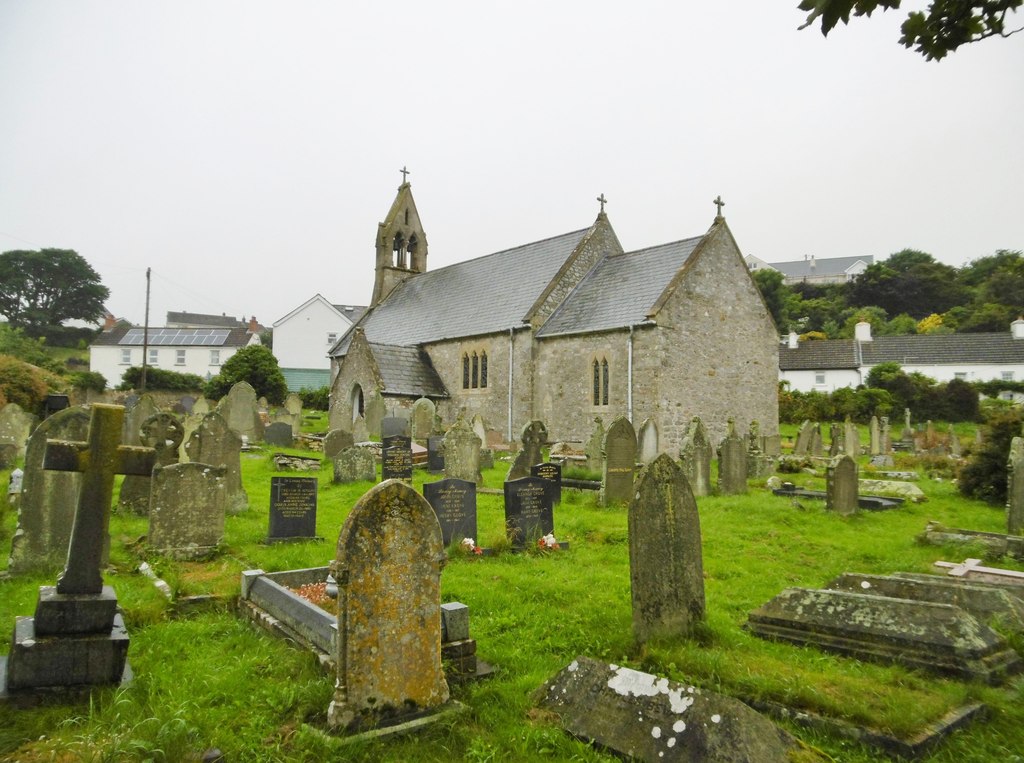
Gower · Hospitaller. A 12th-century church at the south-western tip of Gower, whose advowson was given to the Knights Hospitaller of Slebech by Robert de Mare in 1165.
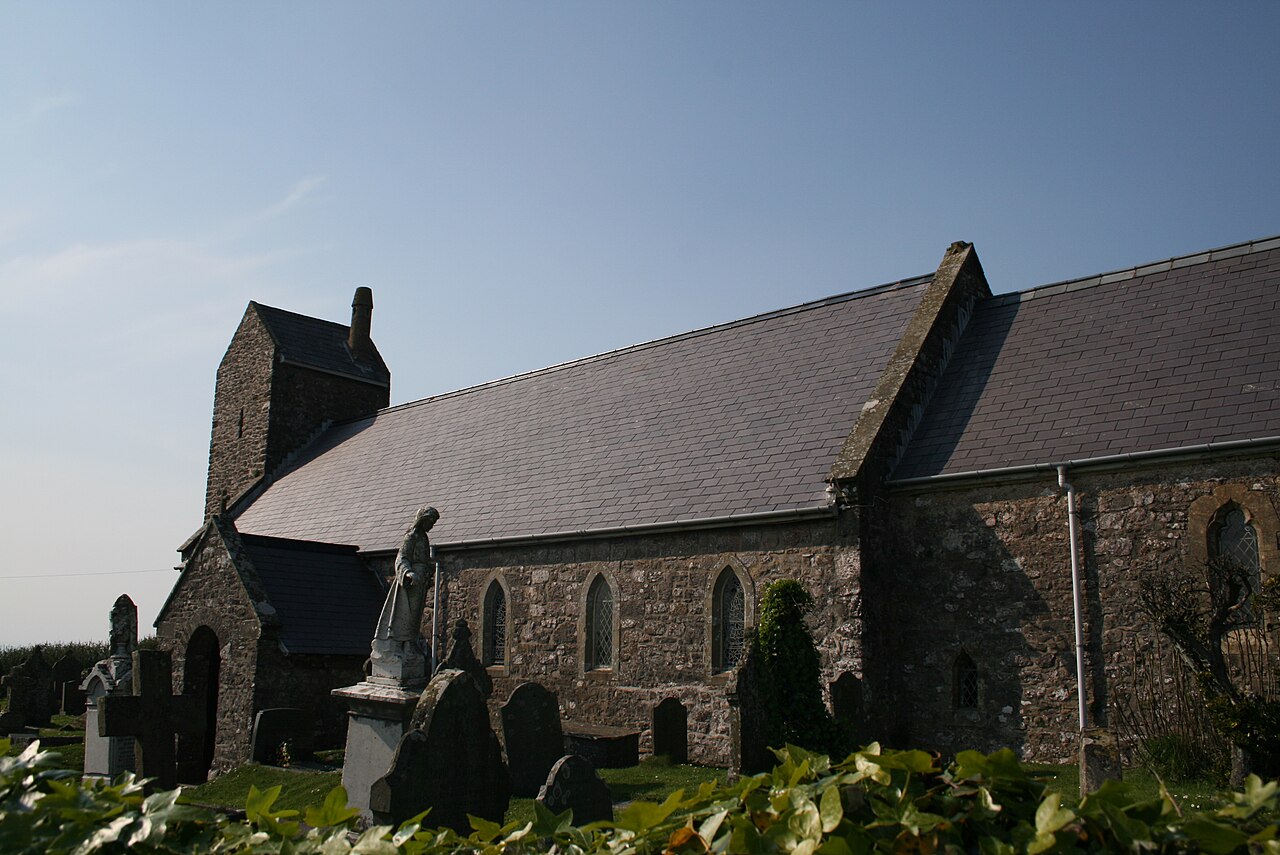
Gower · Hospitaller. The clifftop church above Rhossili Bay — given, with Landimore and Llanrhidian, to the Knights Hospitaller of Slebech by William de Turberville in the 12th century.
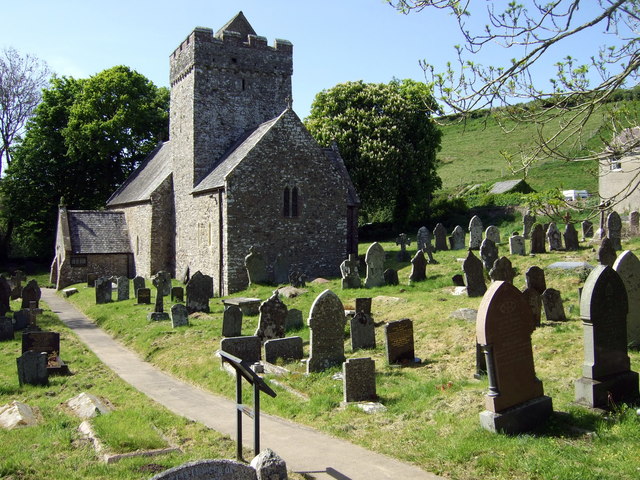
Gower · Hospitaller. A finely-built 13th-century church near the Burry stream — probably built by the Knights Hospitaller to replace the lost coastal church at Landimore.
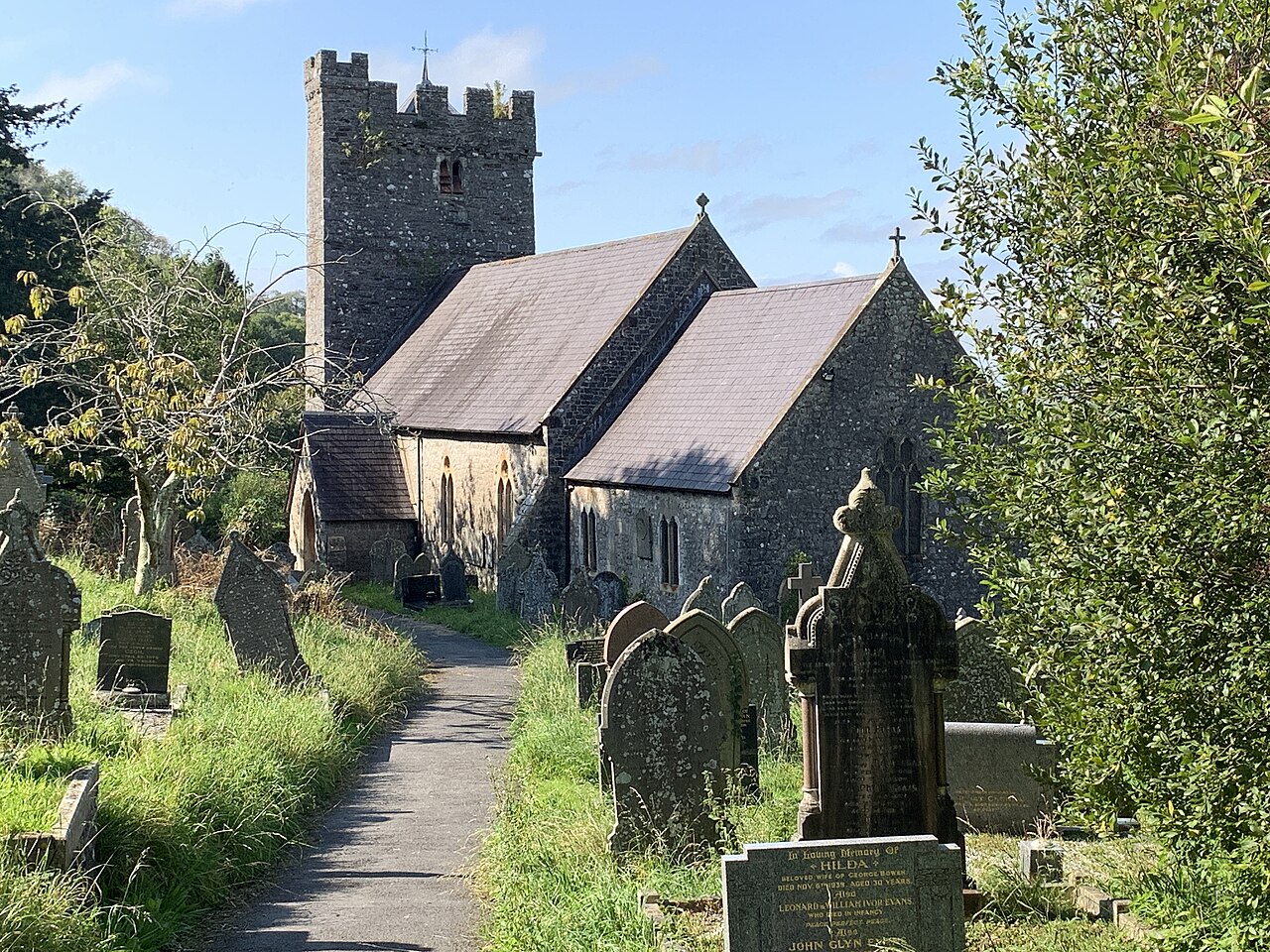
Gower · Hospitaller. The Hospitaller church of north Gower, with its massive fortified west tower and mysterious carved 'Leper Stone' in the porch.
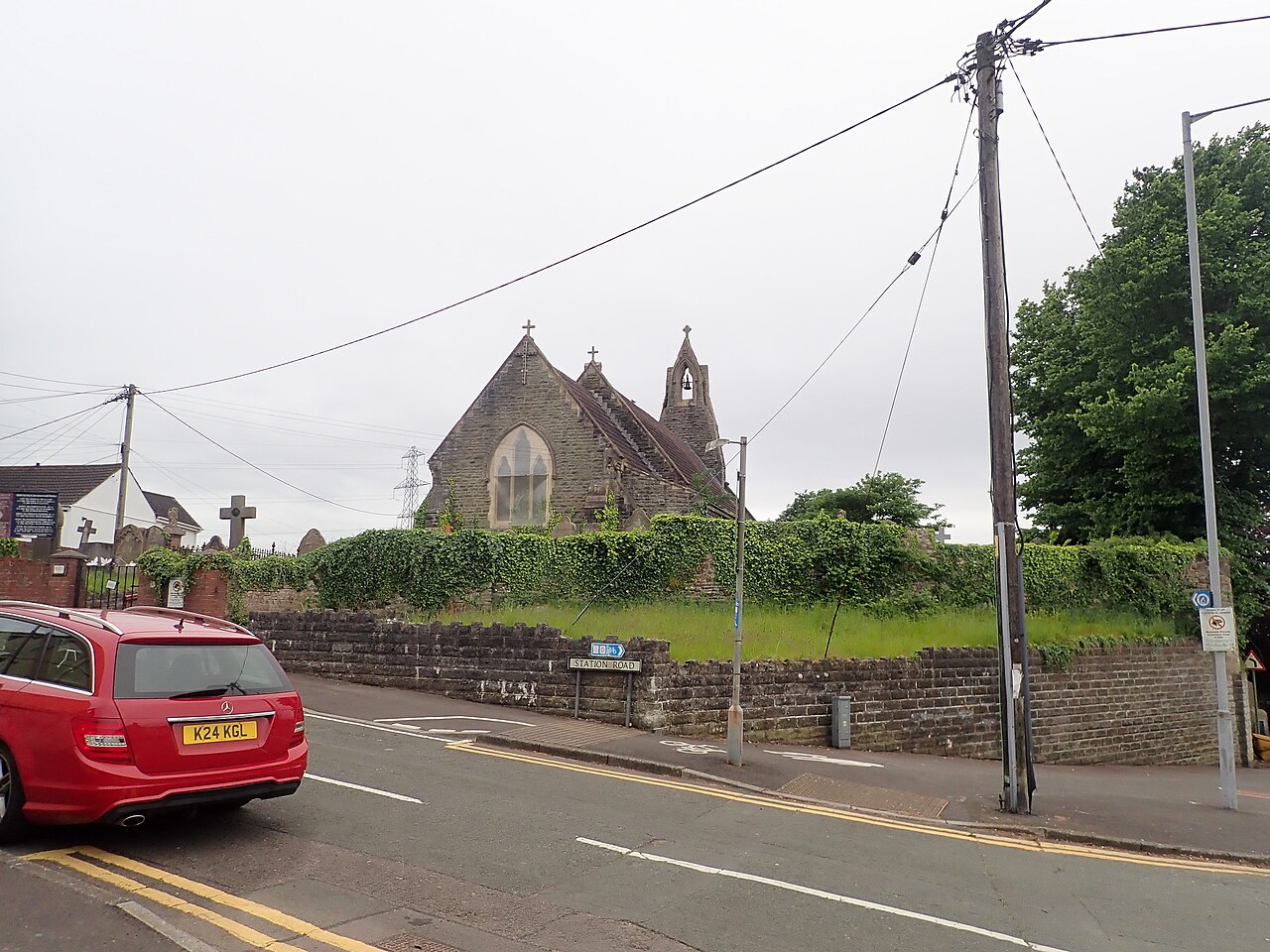
Gower / Glamorgan · Hospitaller. The parish church on the eastern edge of the Gower estate — its advowson given to the Hospitallers of Slebech by Henry de Newburgh between 1156 and 1184.
II. Dress, arms and daily life
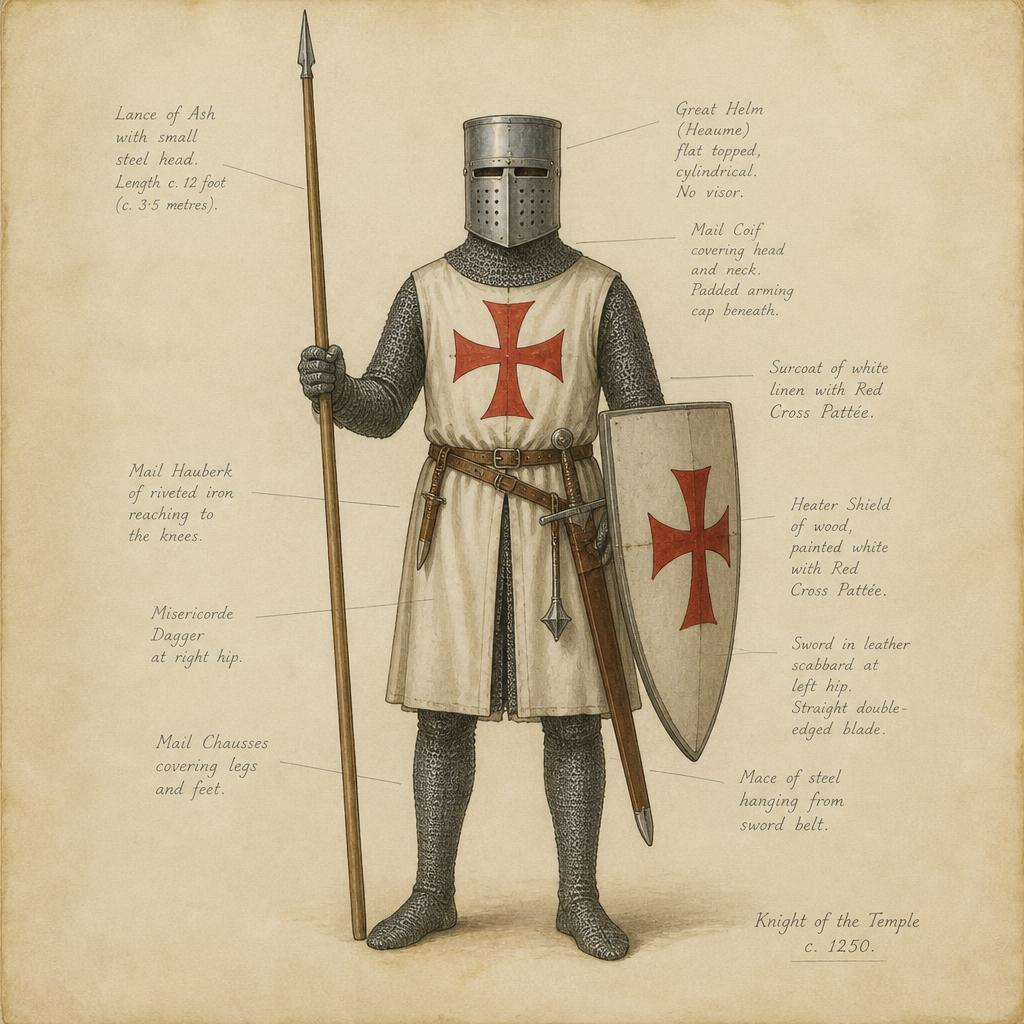
Knight-brother in field harness: mail hauberk and chausses over a gambeson, white surcoat with the cross pattée, great helm and heater shield. Reconstruction after Barber, Nicholson and Nicolle.
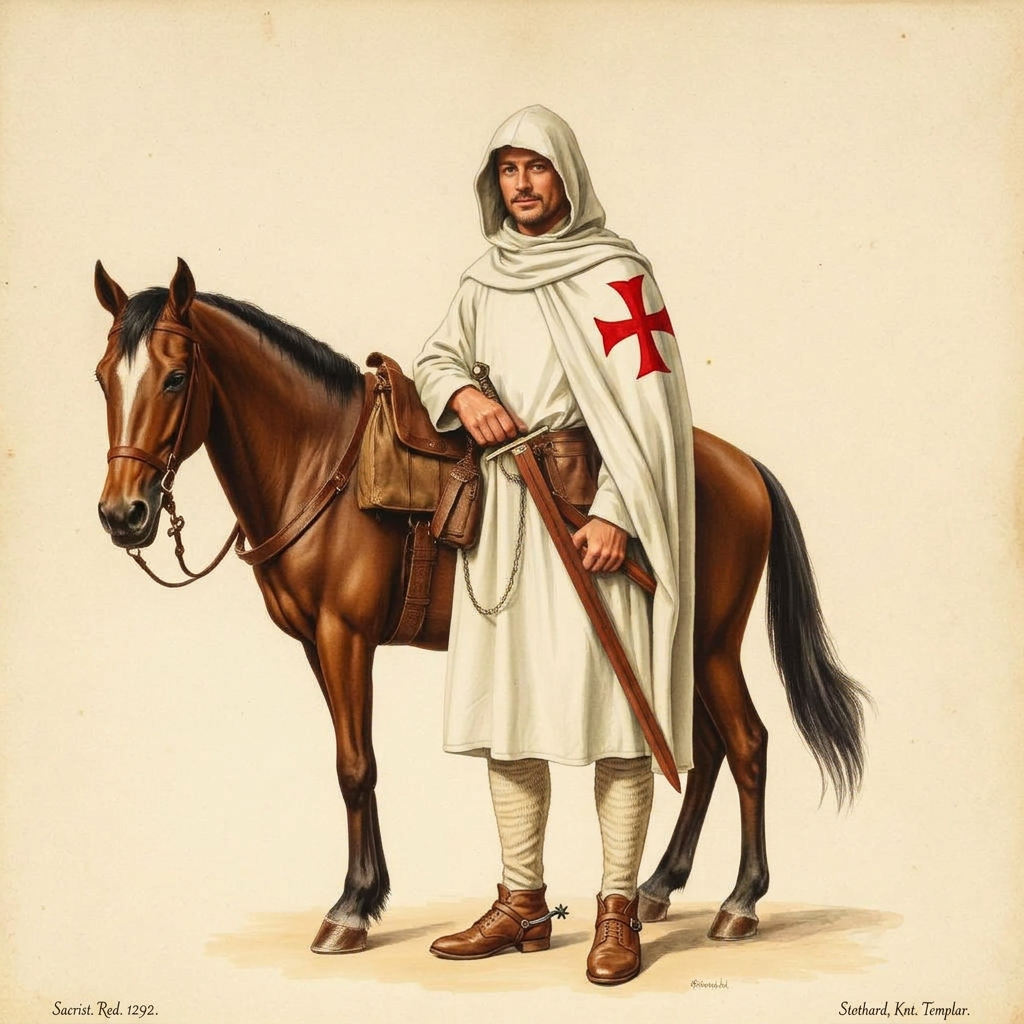
Travelling dress — white mantle with shoulder cross, hood and riding cloak. This is how brothers would have been seen on the Cleddau ferry road or the Gower lanes.
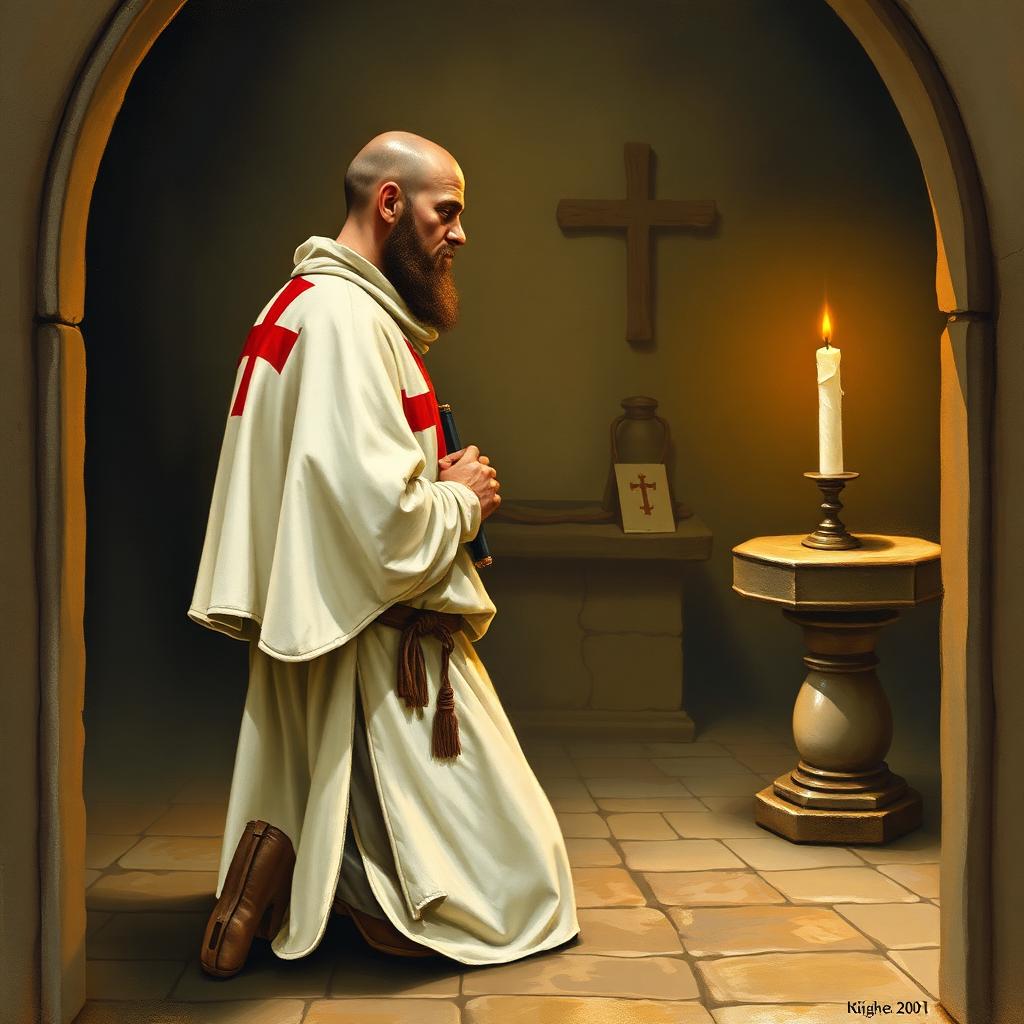
The Order was first a religious community. Habit, tonsure and beard as prescribed by the Primitive Rule of c.1129.
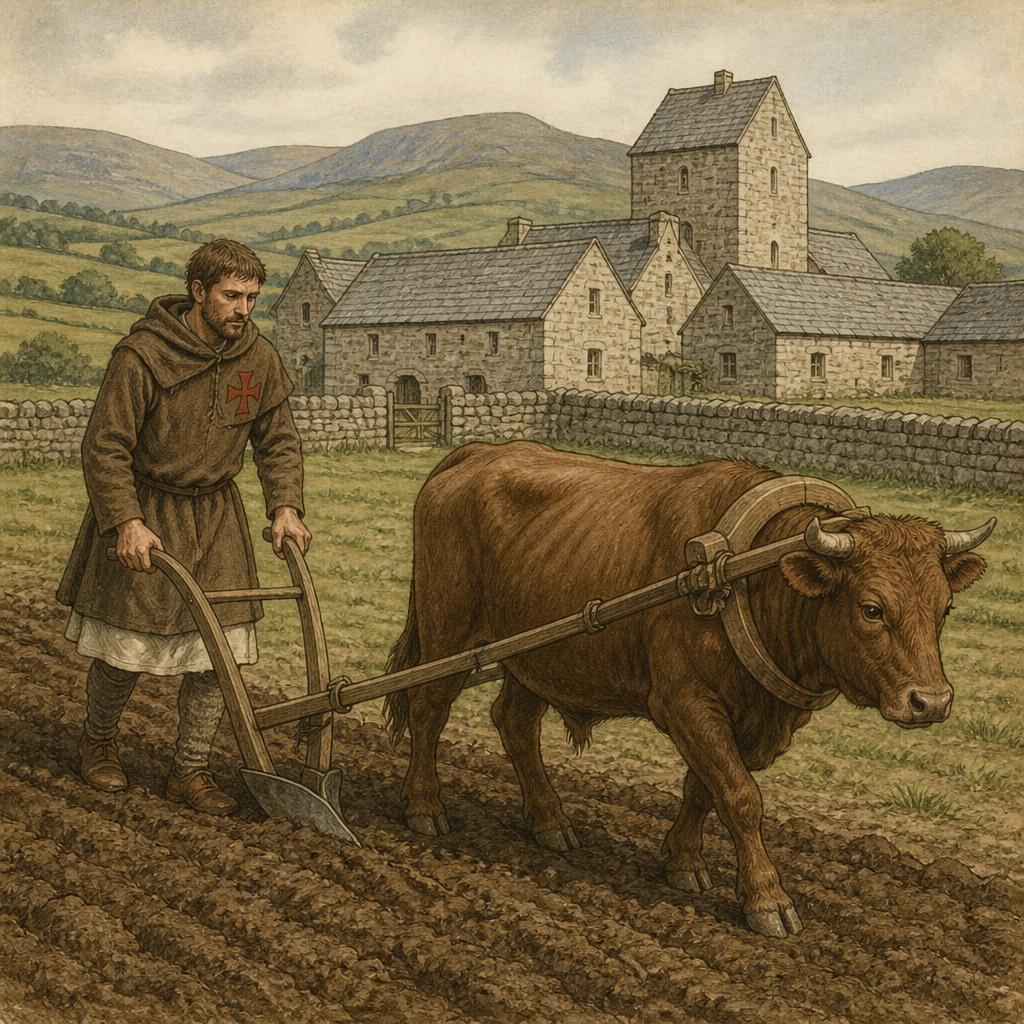
Most brothers in Wales were sergeants running granges, mills and fisheries — the reality behind Slebech and the Gower holdings.
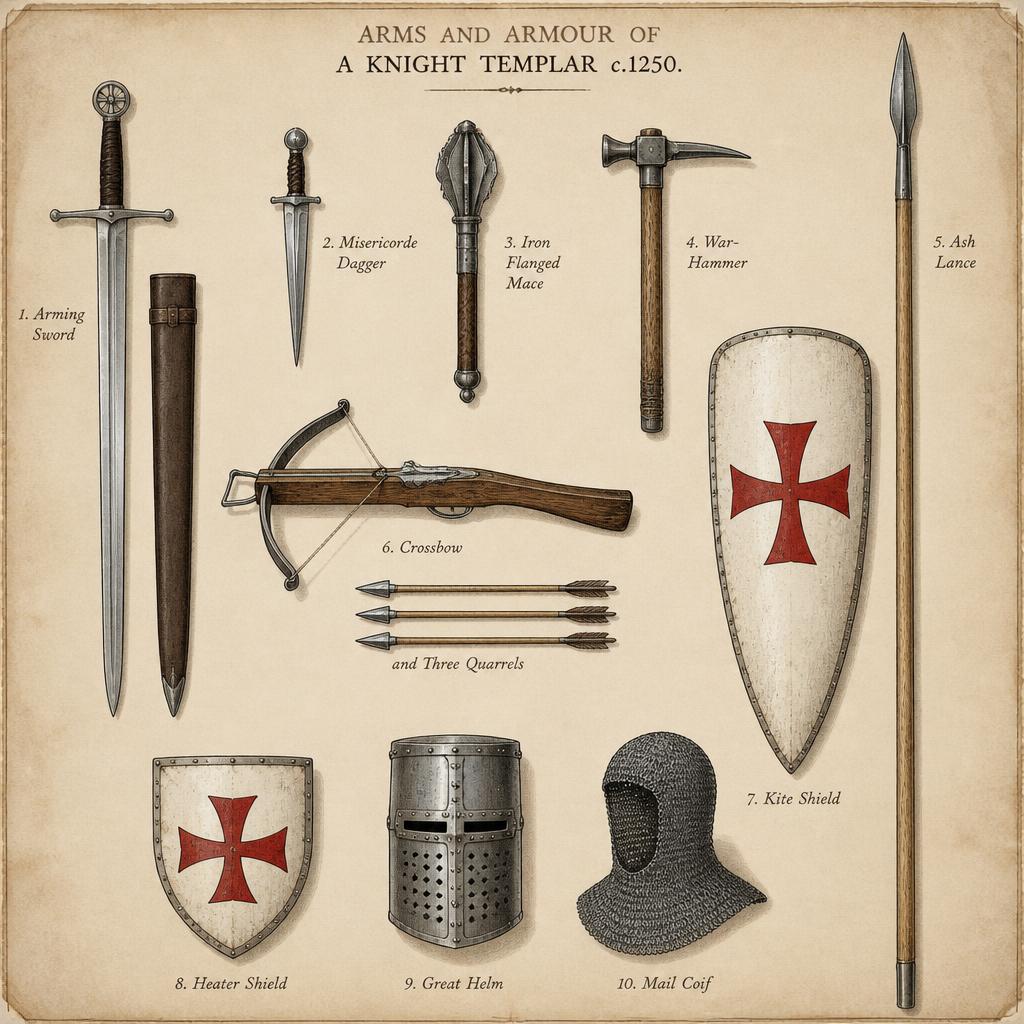
Arming sword, dagger, mace, lance-head, crossbow, kite and heater shields, great helm and mail coif.
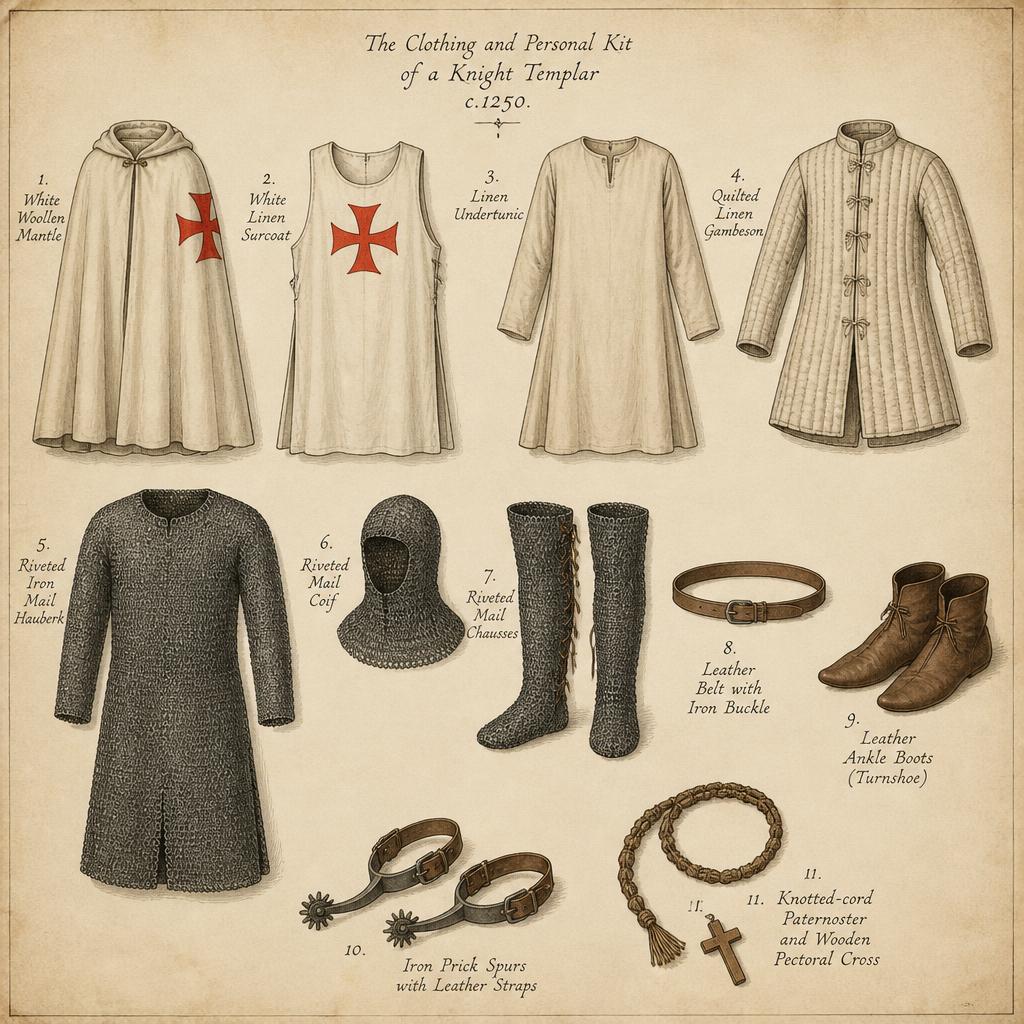
Mantle and surcoat, linen undertunic, gambeson, hauberk, coif and chausses, belt, boots, spurs and devotional items.