The Order of the Temple in Wales · 1145 – 1312
The Knights Templar in Wales
For nearly two centuries the Templars farmed the fields, ran the ferries and managed the estates of south and west Wales. This is a working guide to what they left behind.
The history
How the Templars arrived in Norman Wales, what they did here, and why they left.
Read moreEvery known site
A full gazetteer — from Slebech and Templeton down to the outlying granges and chapels.
Read moreWeekend itinerary
A driving route that connects every major Templar site over two days.
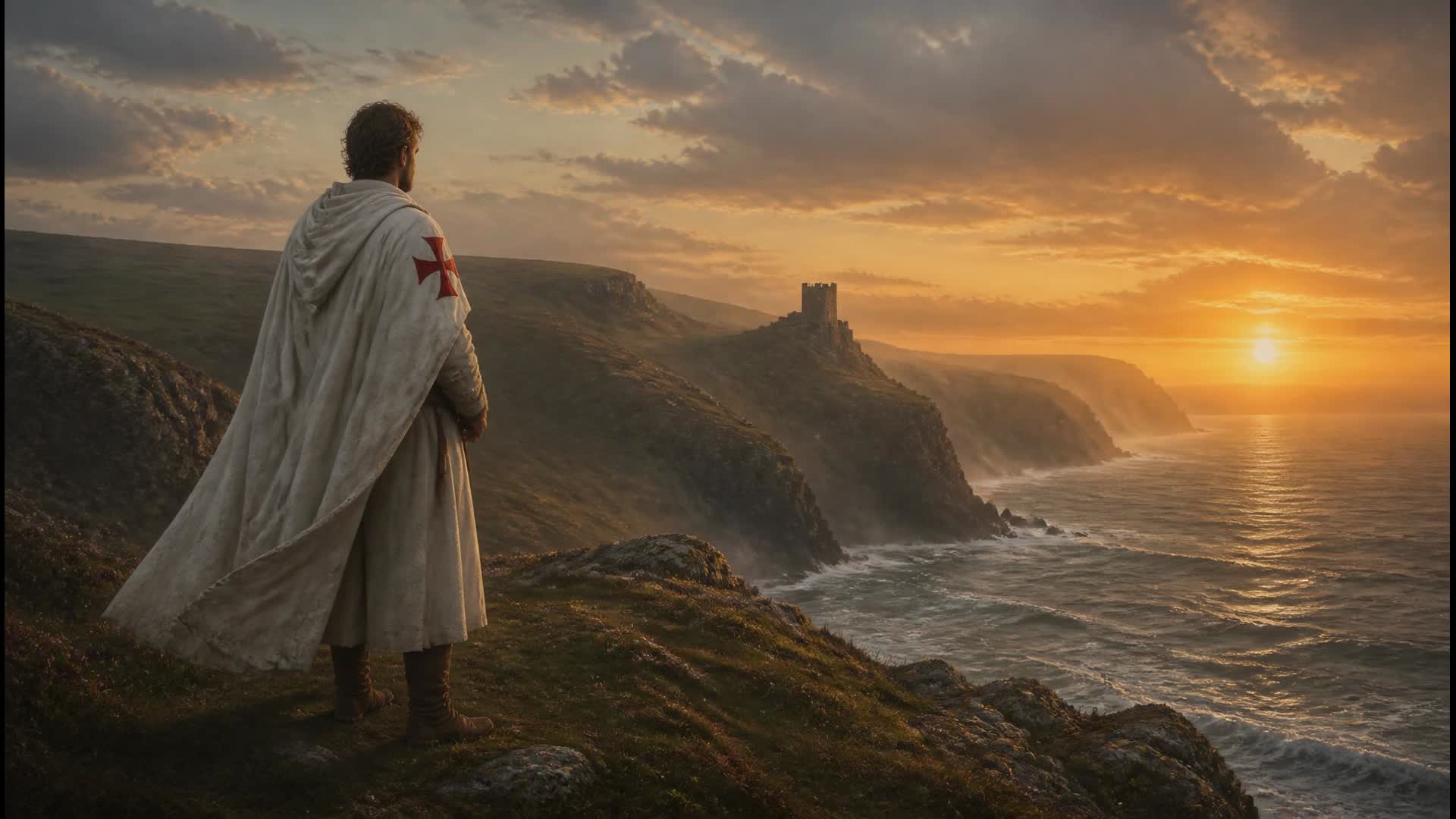
Read moreThe Knights Templar are usually pictured on crusade, sword in hand, riding across the deserts of the Holy Land. Their Welsh chapter looked nothing like that. Here the order farmed, milled, fished and collected rents — quiet work that kept the war in Outremer paid for. For a hundred and seventy years the white mantle with the red cross was a familiar sight in Pembrokeshire, on the Gower, and along the borderland, until the whole order was dissolved by papal decree in 1312.
Out now on Amazon
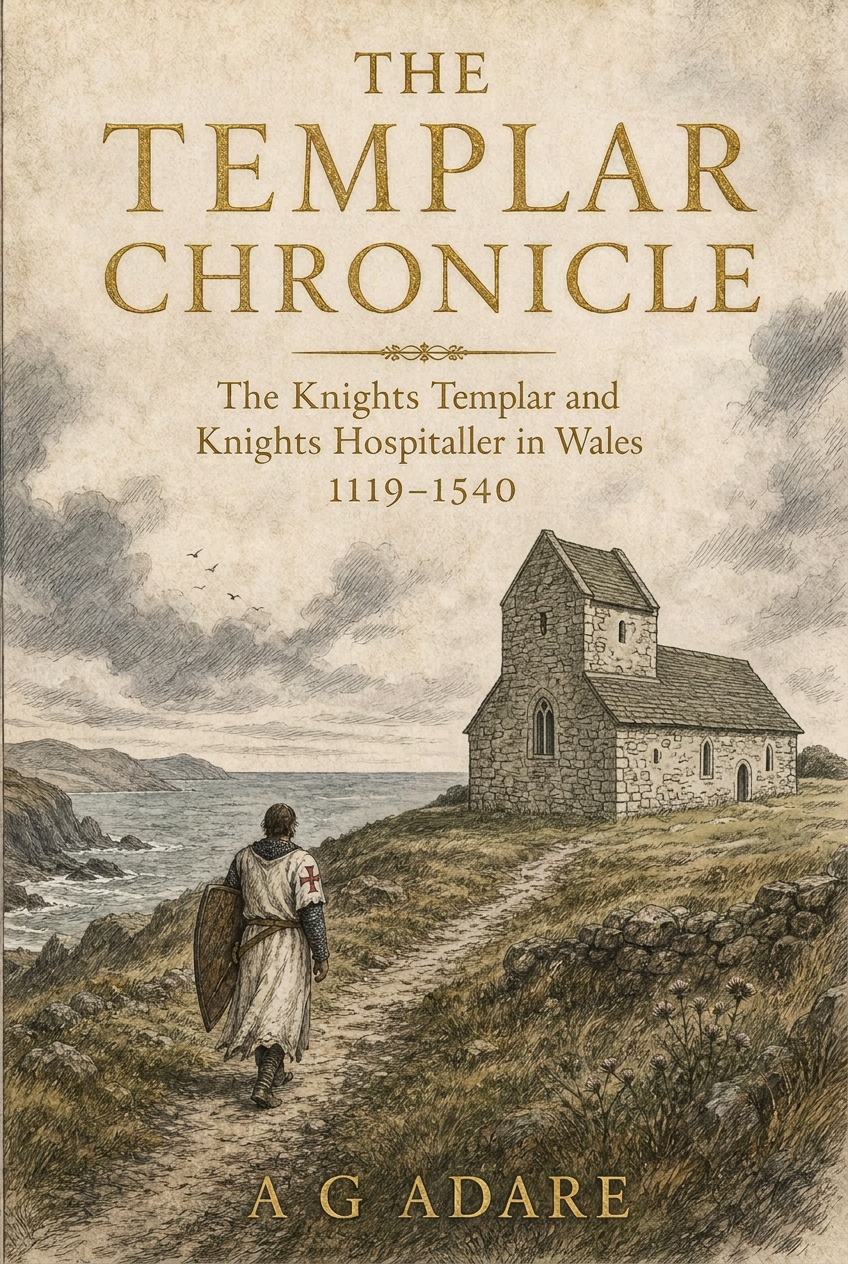
The Templar Chronicle
The Knights Templar and Knights Hospitaller in Wales, 1119–1540 — the whole research of this site gathered into one edited volume. Kindle ebook and paperback now available.
The Sites
Seven key sites
The seven Templar and Hospitaller sites with enough surviving fabric or landscape to justify a special visit — from the border church at Garway to Slebech in Pembrokeshire and the great Hospitaller churches of the Gower peninsula. The full gazetteer covers the outlying granges and dependencies as well.
Pembrokeshire
Slebech
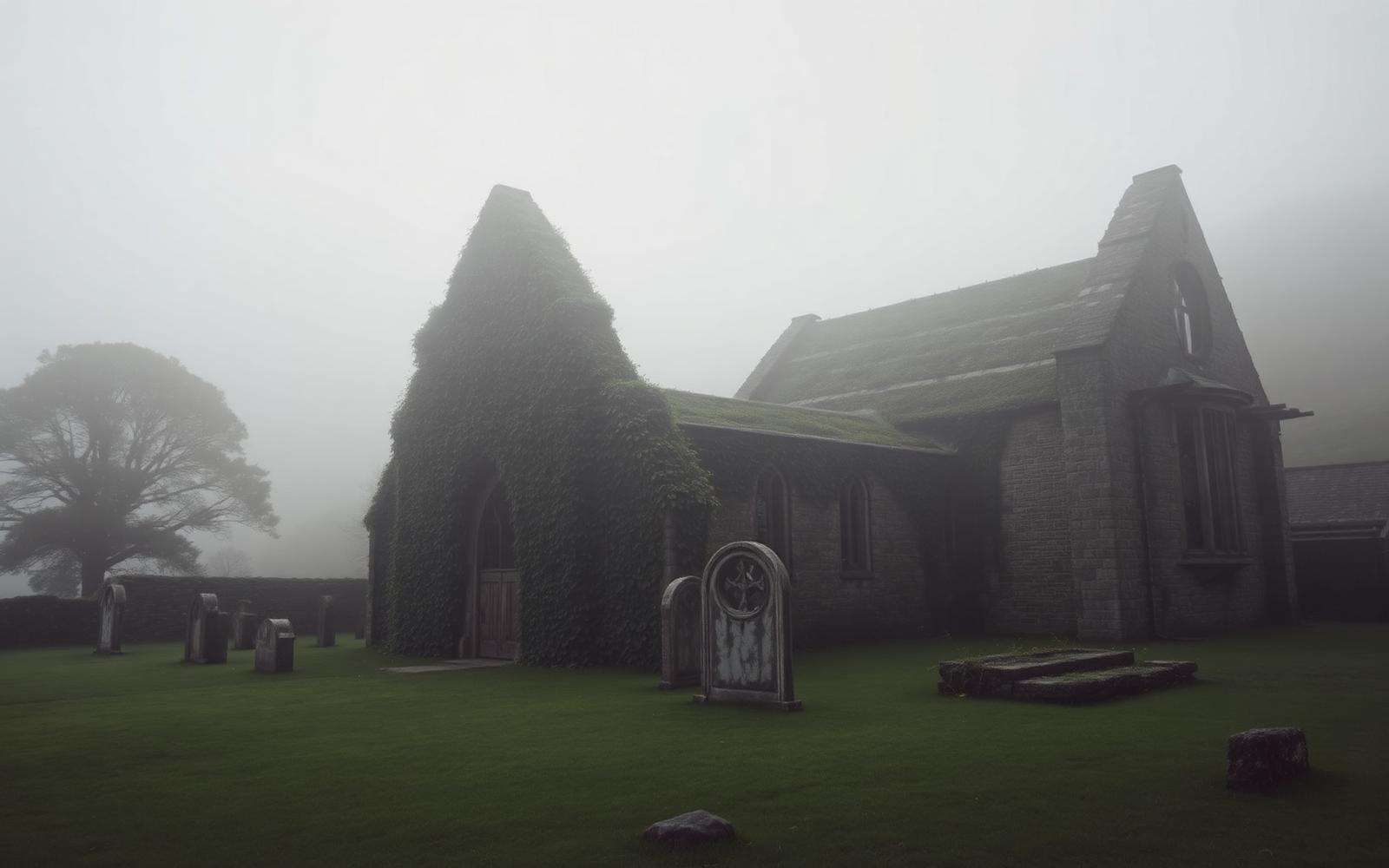
The mother house of the Templars in Wales — a preceptory on the tidal Cleddau, granted by the Anglo-Norman lord Wizo before 1150 and continued as a Hospitaller commandery after 1312.
Pembrokeshire
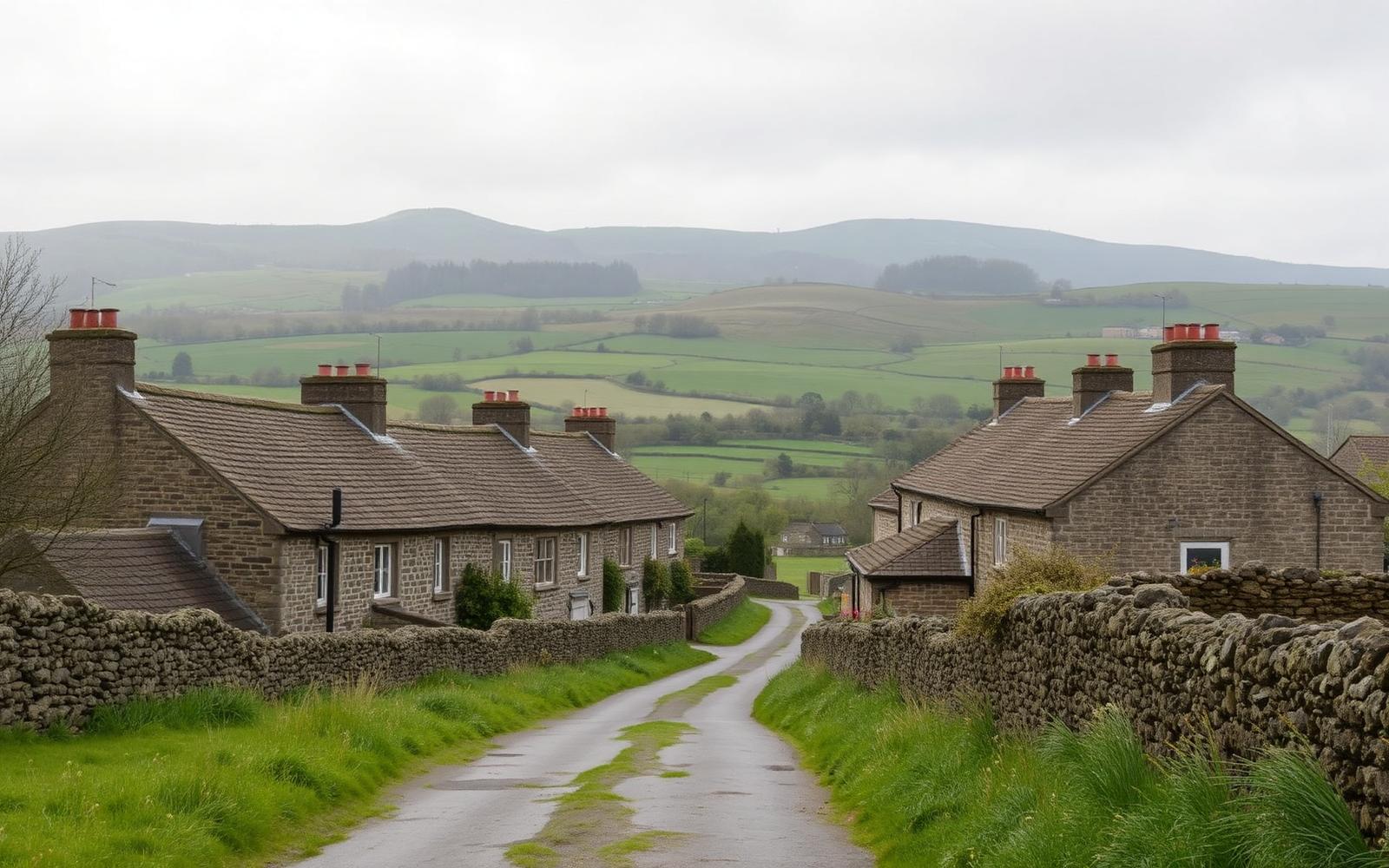
Templeton
A whole village whose name — Villa Templi in the medieval rolls — records that the Templars once held it as a farming grange of Slebech.
Welsh Marches
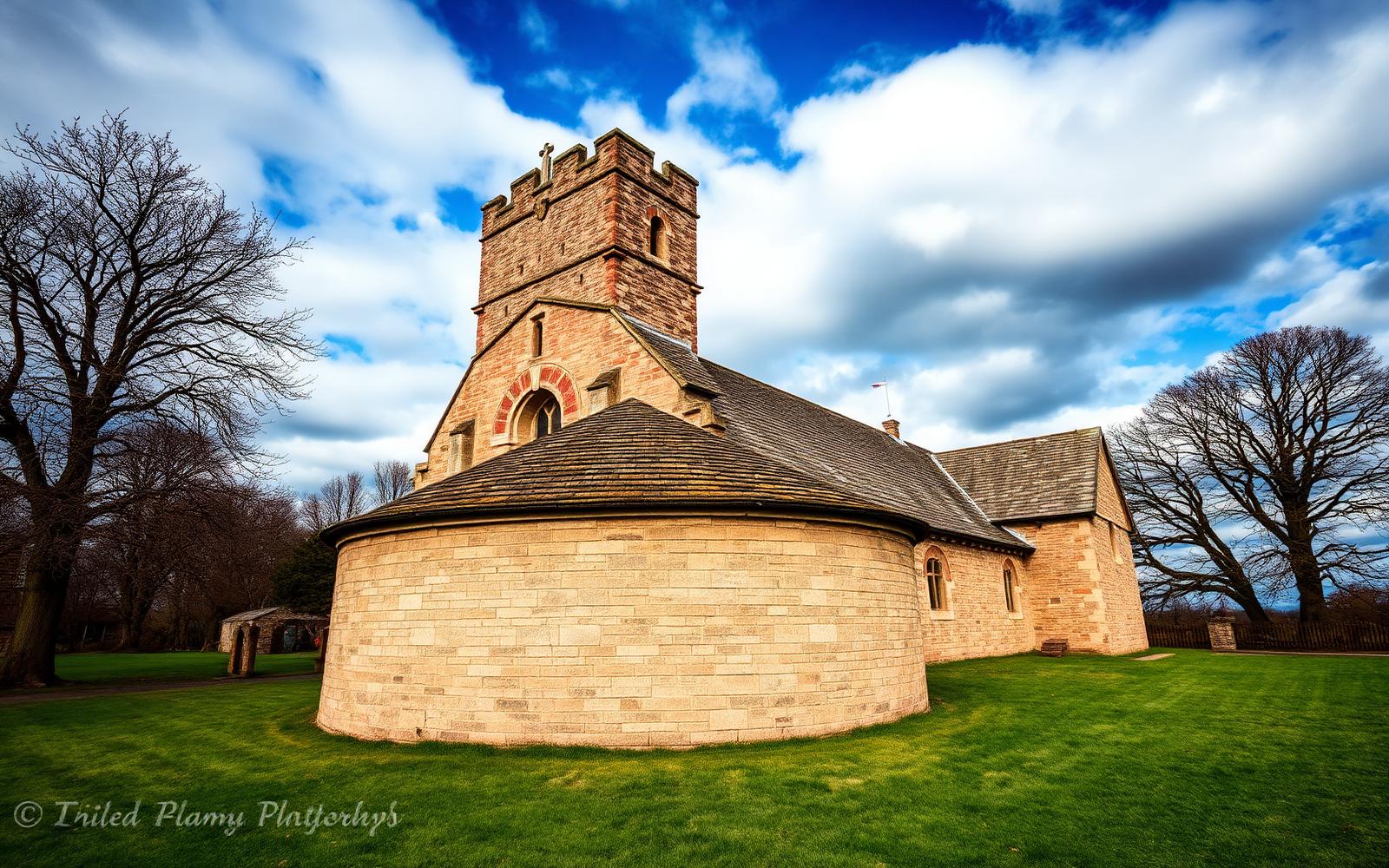
Garway (Borderland)
Just over the border in Herefordshire, Garway is the most complete Templar church in Britain — and served the order's estates on both sides of the Welsh frontier.
Gower
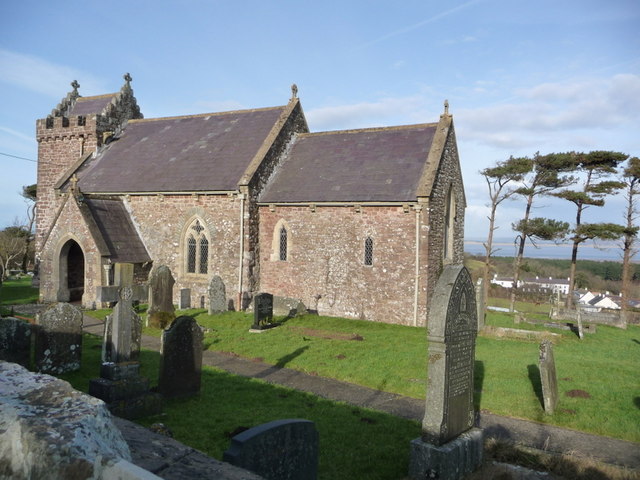
St Madoc's Church, Llanmadoc
The Gower's Templar church — a small medieval church at the tip of the peninsula, held as a Templar manor and continued by the Hospitallers after 1312 as a dependency of Slebech.
Gower
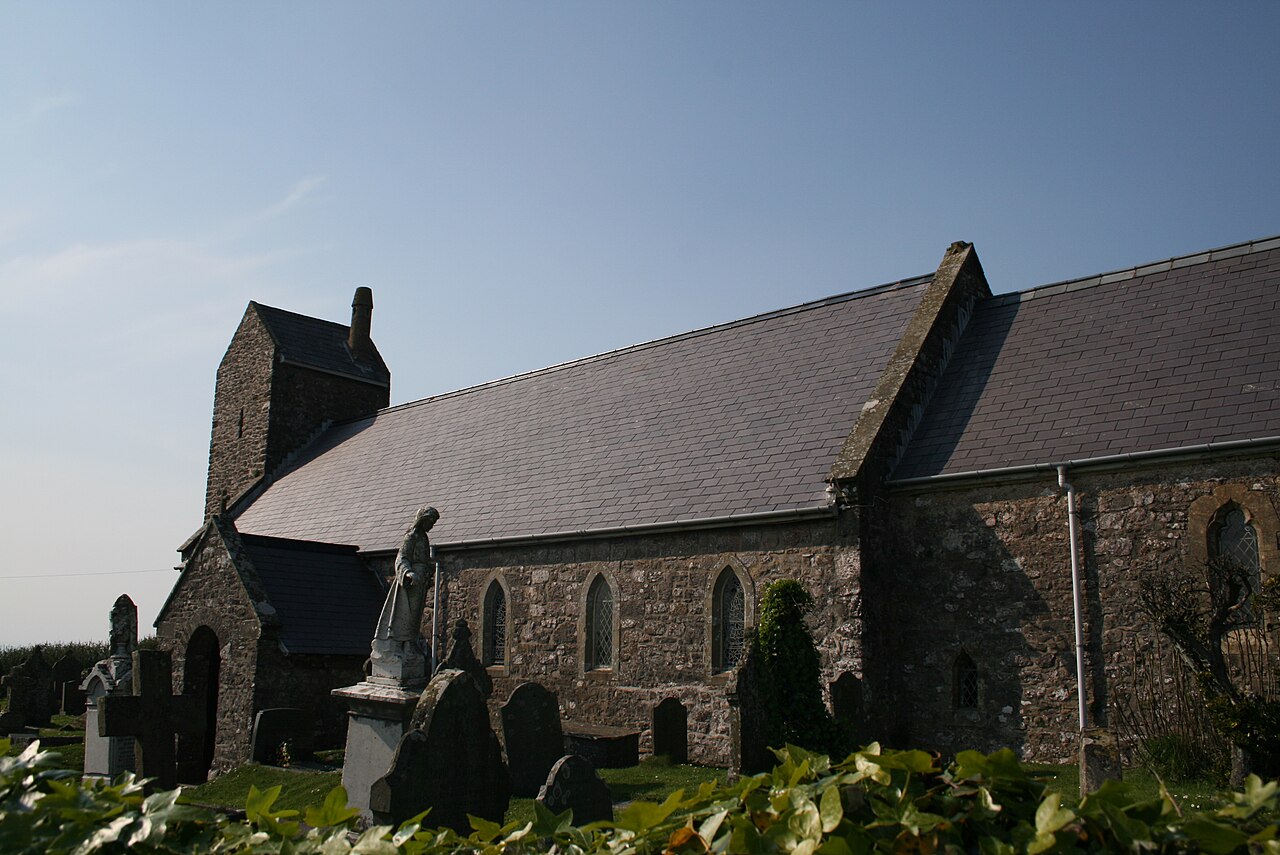
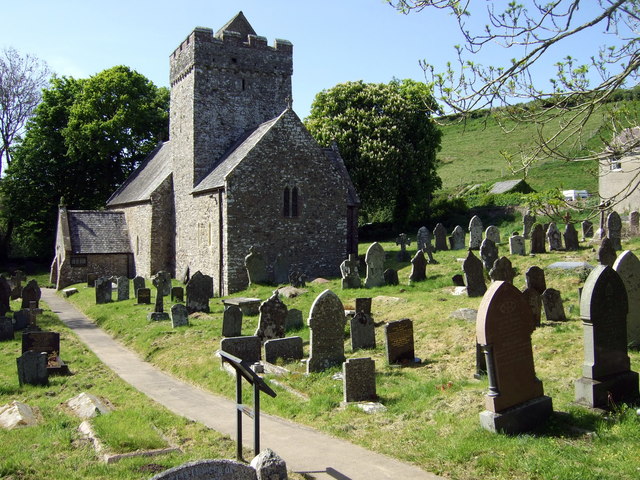
St Mary the Virgin, Rhossili
The clifftop church above Rhossili Bay — given, with Landimore and Llanrhidian, to the Knights Hospitaller of Slebech by William de Turberville in the 12th century.
Gower
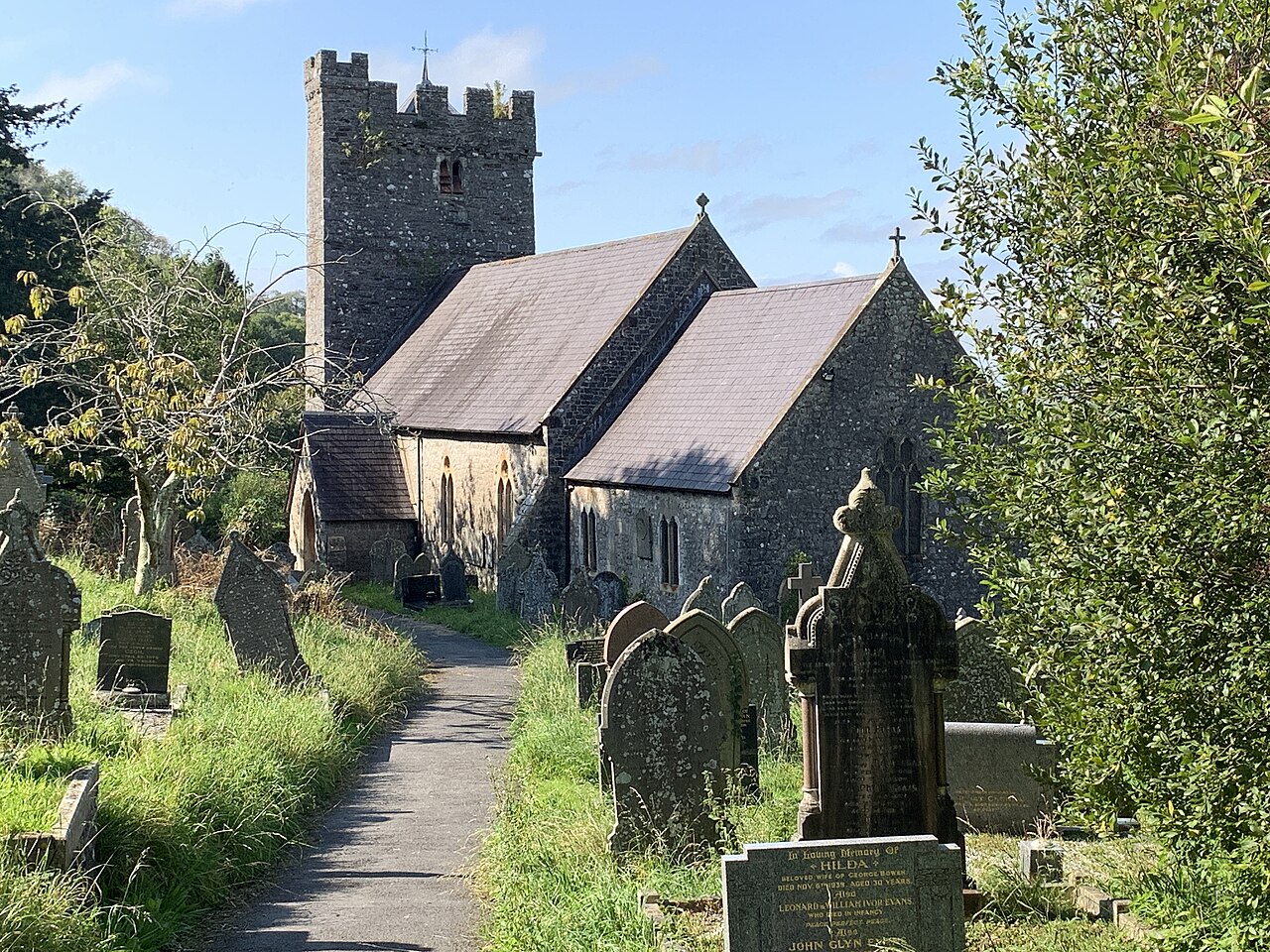
St Cadoc's Church, Cheriton
A finely-built 13th-century church near the Burry stream — probably built by the Knights Hospitaller to replace the lost coastal church at Landimore.
Gower
St Rhidian and St Illtyd, Llanrhidian
The Hospitaller church of north Gower, with its massive fortified west tower and mysterious carved 'Leper Stone' in the porch.
Field Notes
From the Chronicle
The Persistence of the Myth
A concluding reflection on the historical reality of the Welsh preceptories as administrative farms versus the enduring allure of their modern legendary counterparts.
A Bibliography of the Military Orders in Wales
A guide to the fundamental primary and secondary texts that form the basis of our evidence for the Templar and Hospitaller presence in Wales.
A Standard of Evidence
A methodological exploration of the documentary sources and rigorous evidentiary standards required to distinguish between genuine Templar sites and the persistent echoes of folklore.
Available now
The Templar Chronicle
Everything on this site, expanded and edited, in a single volume — with a full gazetteer of every known Templar holding in Wales and a consolidated bibliography. Now on Amazon in Kindle ebook and paperback.