Gower
St Rhidian and St Illtyd, Llanrhidian
Hospitaller
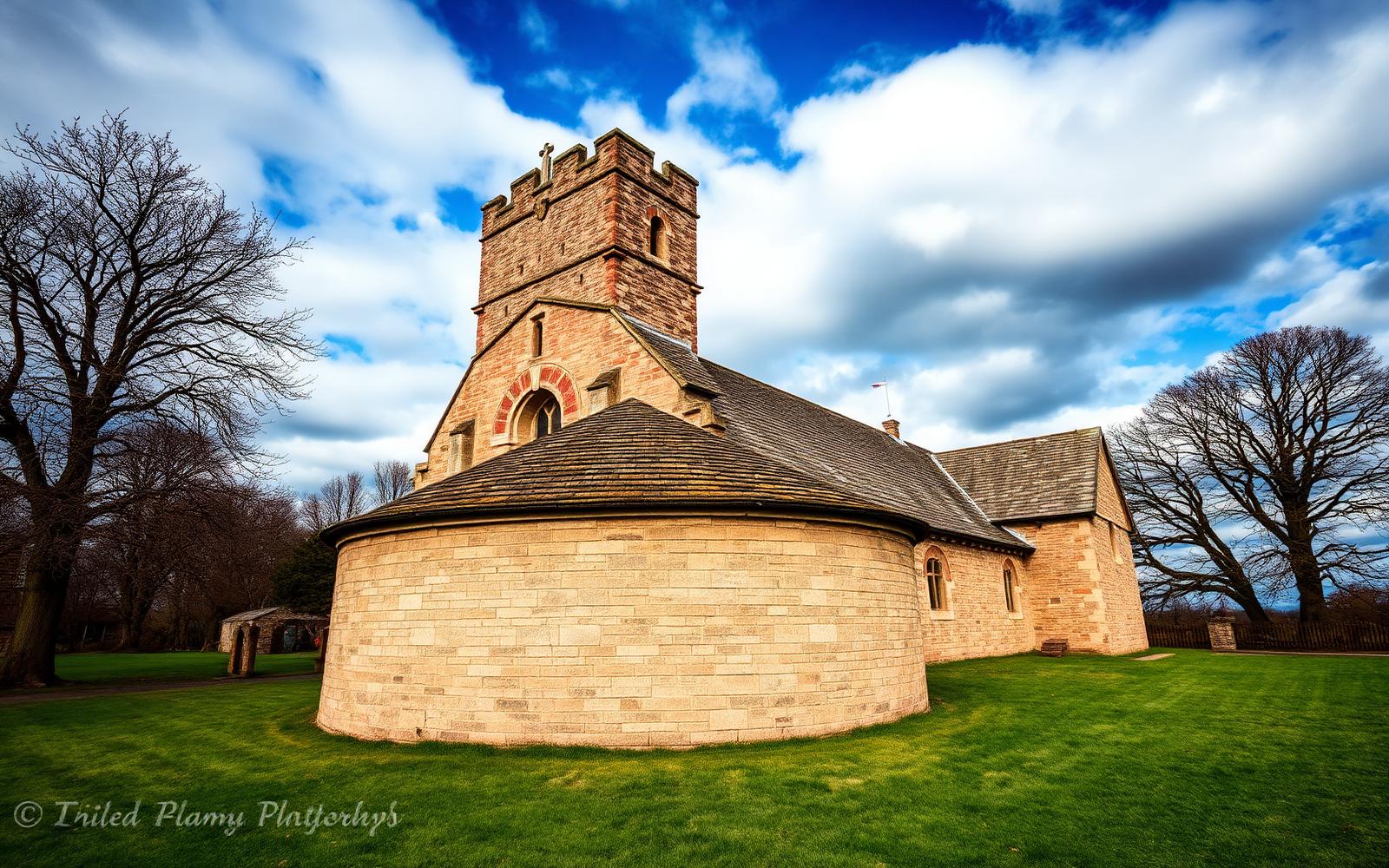
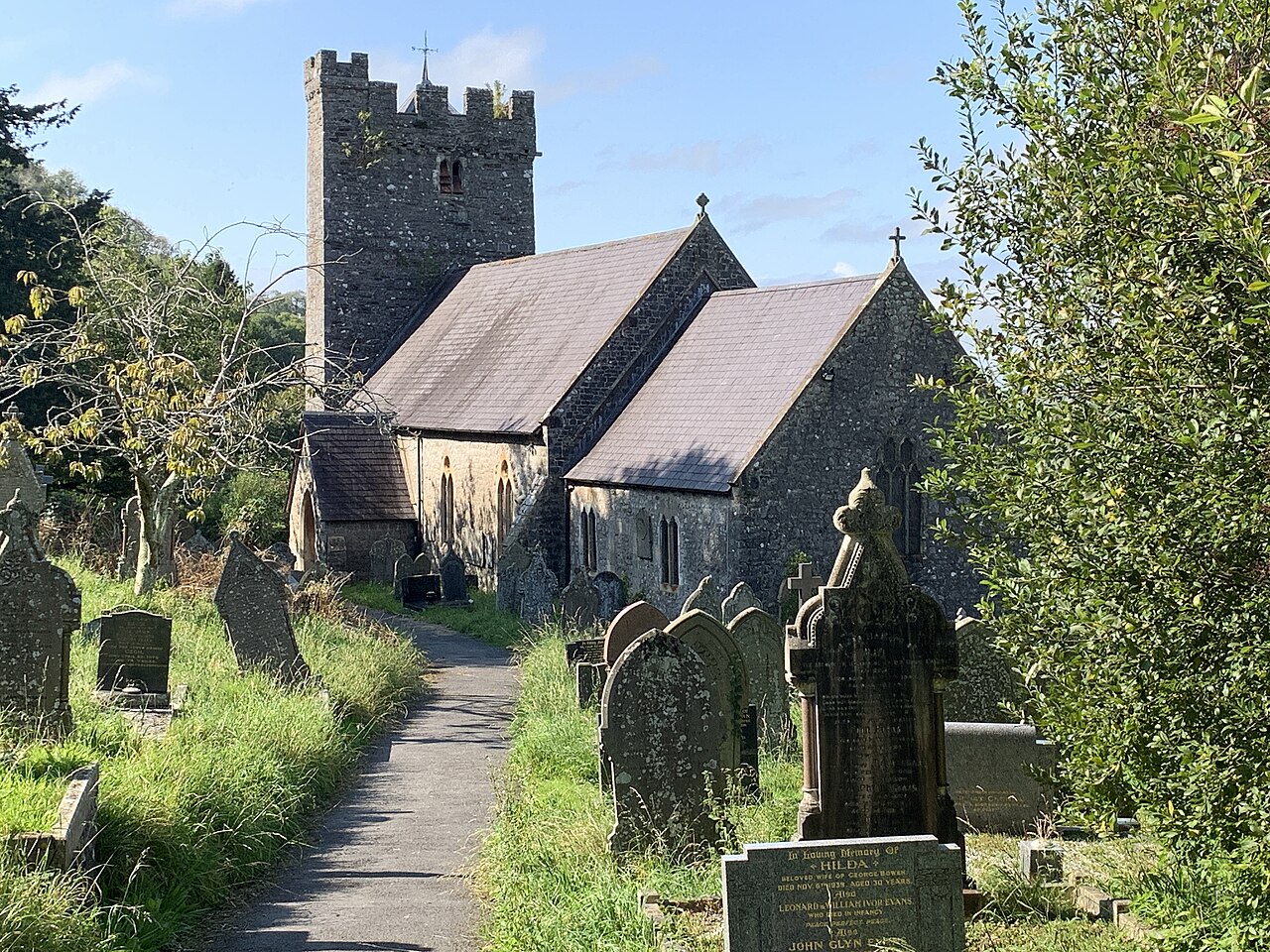
The Hospitaller church of north Gower, with its massive fortified west tower and mysterious carved 'Leper Stone' in the porch.
St Rhidian and St Illtyd at Llanrhidian sits above the great salt marshes of the Loughor estuary on north Gower. Tradition dates the original foundation to the 6th century, and religious buildings are documented on the site by 1167, when the Knights Hospitaller of St John began developing the estate.
The church and its lands were granted to the Hospitallers by the Norman lord William de Turberville, along with Rhossili and the lost church at Landimore. The order rebuilt the church in stone in the 13th century and enlarged it in the 14th with a substantial chancel and a massive west tower whose fortified appearance suggests it doubled as a refuge and — by later tradition — as a coastal navigation beacon for shipping in the Loughor estuary.
In the porch stands the celebrated 'Leper Stone', a two-metre carved slab of uncertain date bearing human and animal figures. Local tradition links it to the Hospitallers' hospitaller vocation — a stone at which alms could be left for lepers — though its true origin is still debated. The Hospitallers held the patronage until 1540.
Visiting
Llanrhidian is on the B4295 on north Gower, above the salt marsh. Park in the village and walk up to the church; the Leper Stone is just inside the porch.
Coordinates: 51.6014°N, 4.2011°W